Cap rate or cash-on-cash — which should you trust when you are sizing up a 12 South rental? If you are comparing homes in one of Nashville’s most in-demand neighborhoods, you want a simple, confident way to judge potential returns. You also need to know what each metric does not tell you so you do not overestimate your cash flow. In this guide, you will learn what each metric means, how to calculate them, and how to interpret results for 12 South rentals. Let’s dive in.
Cap rate vs cash-on-cash basics
Cap rate measures an unlevered return. It shows the property’s income relative to its price before any financing.
- Formula: Cap rate = Net Operating Income (NOI) / Purchase Price.
- NOI = Gross Rental Income − Vacancy and Credit Loss − Operating Expenses.
- Use it to compare value on an apples-to-apples basis and to gauge income strength versus price.
- It ignores financing terms, taxes on your personal return, and appreciation.
Cash-on-cash measures a leveraged cash yield. It tells you how much pre-tax cash flow you get for the actual cash you invest.
- Formula: Cash-on-cash = Annual Pre-Tax Cash Flow / Total Cash Invested.
- Annual Pre-Tax Cash Flow = NOI − Annual Debt Service.
- Total Cash Invested = Down Payment + Closing Costs + Initial Repairs + Upfront Fees + Reserves brought to closing.
- It is sensitive to interest rate, amortization, and down payment. It does not capture appreciation or principal paydown.
What drives returns in 12 South
12 South sits in central Nashville in Davidson County and is known for walkability, restaurants and retail along 12th Ave S, parks, and proximity to Midtown, Downtown, and Vanderbilt. Strong lifestyle appeal supports solid rental demand from professionals and medical residents. That demand and limited infill supply often support higher sale prices, which can translate to lower cap rates.
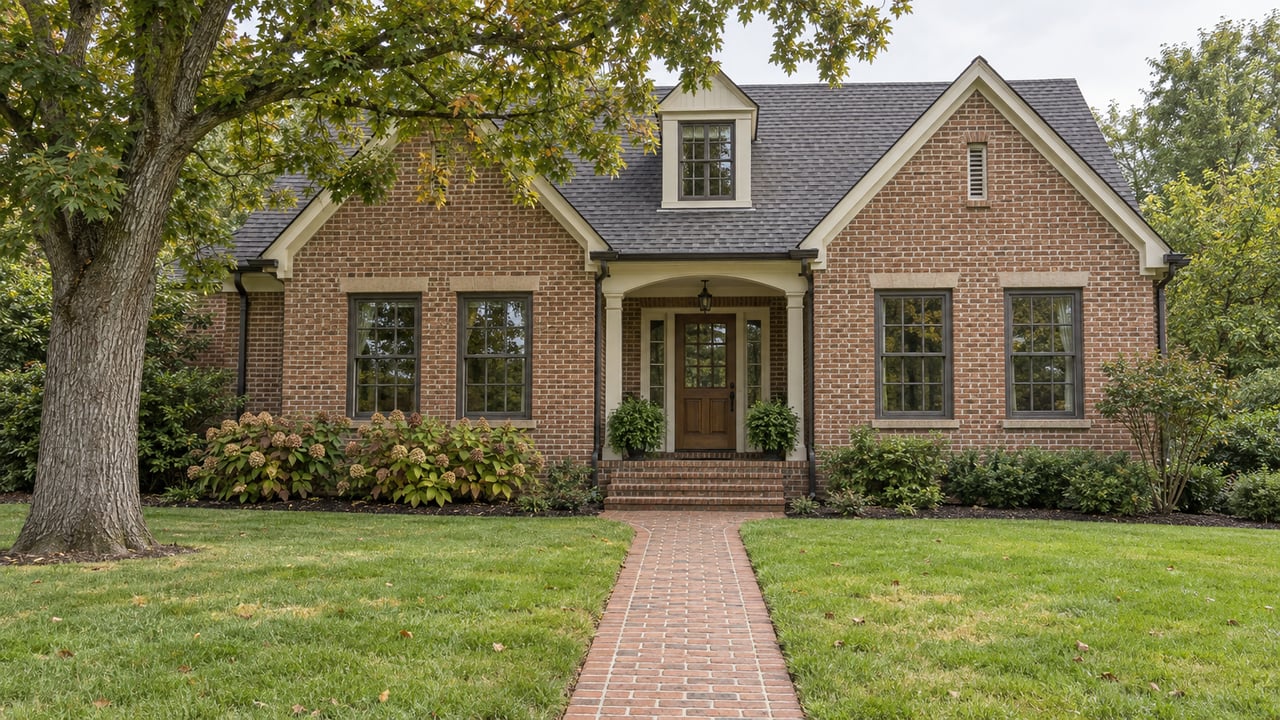
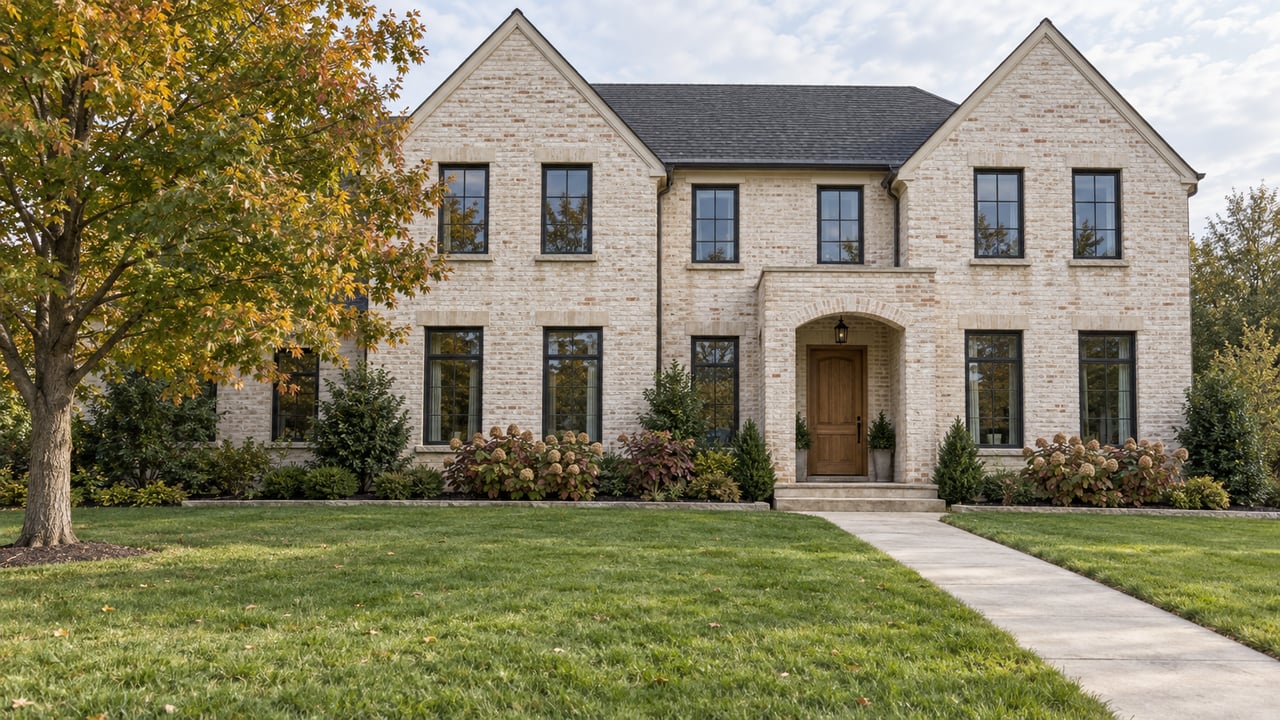
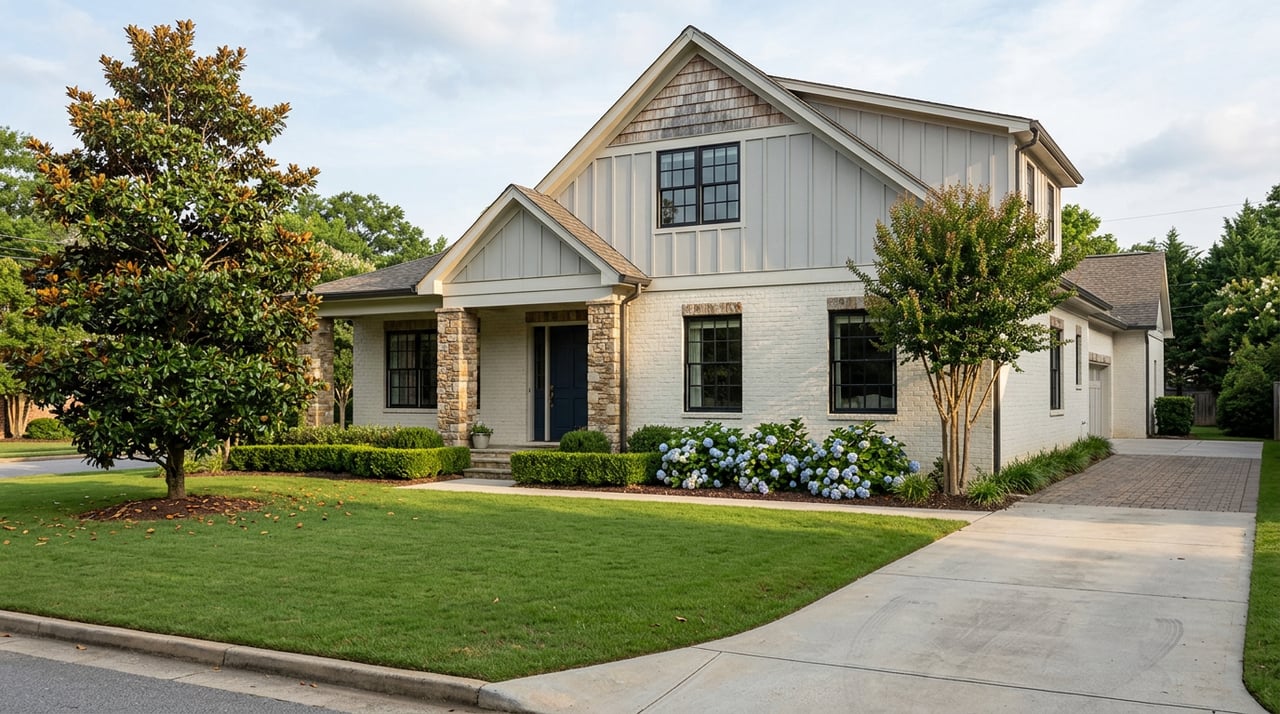
You will find renovated single-family homes, classic bungalows, small multifamily conversions, and some condos. Older housing stock can affect insurance and long-term maintenance planning. Zoning overlays and short-term rental rules in Metro Nashville have tightened in recent years, so confirm permitting before modeling short-term rental income.
Gather your local inputs
To calculate reliable numbers for a 12 South property, collect these items before you compare deals:
- Market rent estimates by unit type. Use recent signed-lease comps, not just asking rents.
- Vacancy and credit loss for similar properties in the immediate micro-market.
- Operating expenses by line item:
- Property taxes based on Davidson County assessment and current millage rates.
- Insurance quotes for landlord coverage, especially for older or high replacement cost homes.
- HOA or condo fees if applicable.
- Property management percentage or your self-management plan.
- Routine maintenance and repairs budget.
- Owner-paid utilities, if any.
- Reserves for replacements for big items like roof, HVAC, or appliances.
- Licensing or registration fees required for rentals.
- One-time acquisition costs: buyer closing costs, loan points and fees, and any initial repairs needed to get rent-ready.
- Financing terms if you will use a loan: loan amount, interest rate, amortization, and annual debt service.
- Strategy-specific items:
- Short-term rental assumptions if applicable, including occupancy, platform fees, cleaning and turnover, and permit requirements.
How to calculate both metrics
Follow this simple flow for any 12 South rental you are evaluating:
- Define the subject property. Note the type, size, condition, and any HOA or parking details.
- Estimate Gross Potential Rent for 12 months.
- Subtract vacancy and credit loss to get Effective Gross Income.
- Subtract operating expenses to get NOI.
- Compute cap rate: NOI divided by purchase price or market value.
- If using financing, determine down payment and loan terms. Calculate annual debt service.
- Compute annual pre-tax cash flow: NOI minus debt service.
- Tally total cash invested: down payment, closing costs, initial repairs, and any upfront fees or reserves.
- Compute cash-on-cash: annual pre-tax cash flow divided by total cash invested.
- Run sensitivity checks for rents, vacancy, expenses, and interest rates.
Hypothetical example template
Use this plug-and-play template for a 12 South single-family rental. Replace placeholders with your local figures.
- Property: 3BR bungalow in 12 South (hypothetical example)
- Purchase price: $X
- Gross potential rent (12 months): $Y
- Vacancy and credit loss: V% of $Y = $VY
- Operating expenses: $Z per year
- NOI: $Y − $VY − $Z = $A
- Cap rate: $A ÷ $X = B%
- Financing: 25% down, interest rate C%, 30-year amortization
- Annual debt service: $D
- Total cash invested: 0.25 × $X + closing costs + initial repairs + loan points + reserves = $I
- Pre-tax cash flow: $A − $D = $F
- Cash-on-cash: $F ÷ $I = E%
This shows how cap rate reflects the property’s income versus price, while cash-on-cash layers in loan costs and your actual cash in.
Interpreting results in 12 South
- Use cap rate to test value. In an amenity-rich, supply-constrained area like 12 South, cap rates often compress as prices reflect lifestyle demand. Cap rate helps you decide if the income supports the price before financing.
- Use cash-on-cash to plan cash flow. If you are using a mortgage, cash-on-cash tells you the yield on your invested cash given today’s rates and terms.
- Remember total return. Neither metric includes appreciation, principal paydown, or tax benefits. If long-term wealth is your goal, consider a broader analysis later.
Sensitivity checks that matter
Small changes can swing results. Stress test your assumptions before you write an offer.
- Rents: Model base case, then adjust rents by plus or minus 5 to 10 percent.
- Vacancy: Adjust vacancy by a few percentage points to reflect turnover risk.
- Interest rate: Shift the rate by plus or minus 1 percent to see cash-on-cash changes.
- Expenses: Test higher insurance or property tax scenarios, especially after renovations or reassessments.
Short-term vs long-term in 12 South
Some investors consider short-term rentals to boost gross income. If you explore this path, model the full picture.
- Revenue: Use realistic occupancy and nightly rates, not peak-season pricing.
- Expenses: Include cleaning, supplies, platform fees, higher management, and more frequent maintenance.
- Rules: Metro Nashville short-term rental rules require registration and permits. Requirements have changed over time, so confirm current rules before assuming STR income.
If you prefer predictable cash flow and simpler operations, long-term leases may be a better fit for your goals.
Avoid common pitfalls
- Relying on advertised rents instead of signed leases can inflate returns.
- Ignoring vacancy, turnover, and capital reserves underestimates expenses.
- Applying broad city cap rate averages to 12 South can mislead. Micro-markets behave differently.
- Skipping interest rate sensitivity can mask cash-on-cash risk.
- Overlooking local permits or licensing can derail a short-term rental plan.
A simple checklist before you buy
- Verify rent with recent signed-lease comps for similar homes near 12th Ave S.
- Pull current property taxes from the Davidson County assessor and model potential reassessment.
- Get an insurance quote that reflects the home’s age and replacement costs.
- Price out management fees, or time-value your self-management plan.
- Build a realistic maintenance and capital reserve line for older systems.
- Confirm whether HOA or neighborhood rules affect leasing.
- If financing, get a written loan scenario with rate, term, and estimated closing costs.
Work with a hands-on local partner
You deserve clear numbers and a smooth path from analysis to offer. With a people-first, hands-on approach, Bobbi Jo helps investors source comps, verify expenses, model cap rate and cash-on-cash, and prepare winning offers in 12 South and across Nashville. If you want help building a property-specific model or you are ready to tour, reach out. Let’s find your way HOM with Bobbi Jo Barnes Real Estate, LLC.
FAQs
What is the difference between cap rate and cash-on-cash for a 12 South rental?
- Cap rate shows unlevered income relative to price, while cash-on-cash shows your annual pre-tax cash flow relative to the cash you invest after financing.
When should I use cap rate versus cash-on-cash in 12 South?
- Use cap rate to judge value and compare properties independent of loans. Use cash-on-cash when you plan to finance and need to understand your cash yield.
How do HOA or condo fees affect returns in 12 South?
- They are operating expenses that reduce NOI, which lowers both cap rate and cash-on-cash.
How do Davidson County property taxes impact my numbers?
- Property taxes are a recurring expense that directly reduce NOI. Model current assessments and consider how reassessment or renovations could change your bill.
Are short-term rentals more profitable in 12 South?
- They can increase revenue but often come with higher expenses, management needs, and specific Metro Nashville permit requirements. Verify rules and model realistic occupancy.
What is a good cap rate or cash-on-cash in 12 South?
- It depends on your goals, risk tolerance, and alternative yields. Benchmark with recent local sales and leasing data for similar properties rather than broad city averages.
How much cash do I need to buy a 12 South rental?
- Add your down payment, closing costs, initial repairs, loan points, and any reserves you bring to closing to understand total cash invested.
How do I factor appreciation and principal paydown?
- Cap rate and cash-on-cash do not include them. If long-term wealth creation matters, build a total return model that includes appreciation, amortization, and taxes.