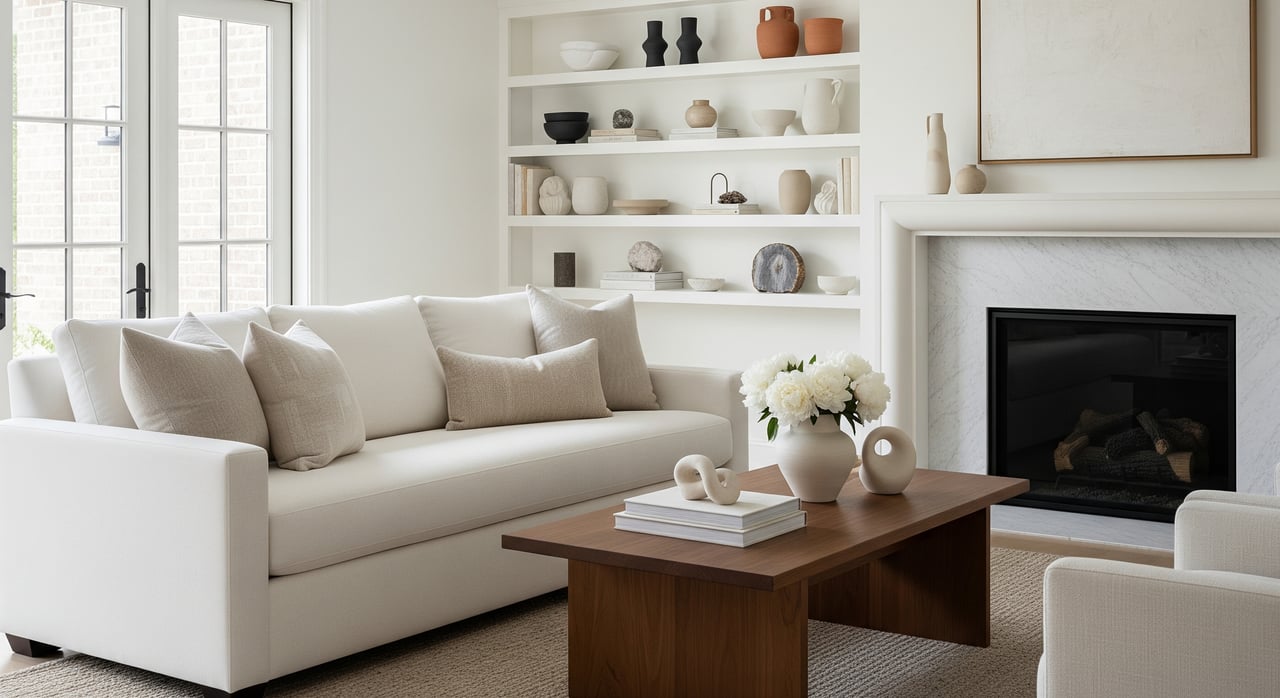
Thinking about listing your Green Hills home and weighing whether to stage it yourself or bring in a professional? You are not alone. In a neighborhood known for polished presentation and premium finishes, staging can make a real difference in how buyers respond online and in person. In this guide, you will learn what staging actually delivers, realistic costs in our area, when DIY is enough, when pro help pays off, and a simple way to estimate ROI. Let’s dive in.
Green Hills snapshot: why staging matters
Green Hills is an established, amenity-rich Nashville neighborhood where buyers often expect updated, stylish interiors and well-kept landscaping. Many listings sit in higher price tiers, so presentation carries more weight because buyers compare details and finishes. Strong listing photos and a cohesive look help your home stand out in online searches and social feeds. Whether the market is hot or slower, thoughtful staging can support faster interest and more confident offers.
What staging can and cannot do
Staging elevates your photos, clarifies room function, and helps buyers visualize how they would live in the space. It broadens appeal by neutralizing personal style and highlighting flow, scale, and features buyers love. Staged homes often see quicker interest, which can reduce price cuts and carrying costs.
Staging is not a fix for structural issues or major deferred maintenance. ROI varies by property, price point, and execution quality. Poorly chosen furniture or overspending on the wrong rooms can cancel out benefits, so a targeted plan matters.
Cost overview in Green Hills
Every home and staging plan is different, but typical industry ranges can help you budget:
- Staging consultation: A walk-through with a written plan often runs from a modest flat fee to several hundred dollars. It is the lowest-cost professional option.
- Occupied home staging: For sellers living in the home, this can include rearranging existing furniture plus renting select decor. Budgets commonly range from a few hundred to a few thousand dollars depending on scope. Monthly rental fees may apply for any borrowed pieces.
- Vacant home staging: Vacant properties usually cost more due to furniture delivery, setup, and teardown. Expect a few thousand dollars for smaller homes and several thousand or more for larger or high-end properties. Contracts often include an initial setup fee plus monthly rental while the home is on market.
- Photography: Professional listing photos typically cost a few hundred dollars, with add-ons for twilight, drone, or floor plans.
- Virtual staging: A lower-cost option priced per image, helpful for vacant listings to improve online presentation.
What drives cost:
- Home size and the number of rooms staged.
- Whether the home is vacant or occupied.
- Furniture quality and style.
- Delivery logistics, restaging needs, and contract length.
- Neighborhood expectations. Higher-end markets often carry higher staging fees.
DIY staging: what you can handle
DIY staging can go a long way when you have time and an eye for design. Focus on high-impact steps first:
- Declutter, deep clean, and depersonalize. Store personal photos and collections.
- Rearrange furniture to improve sightlines and flow. Create clear walkways.
- Make minor repairs and use neutral paint to freshen spaces.
- Add simple styling like fresh linens, pillows, greenery, and balanced lighting.
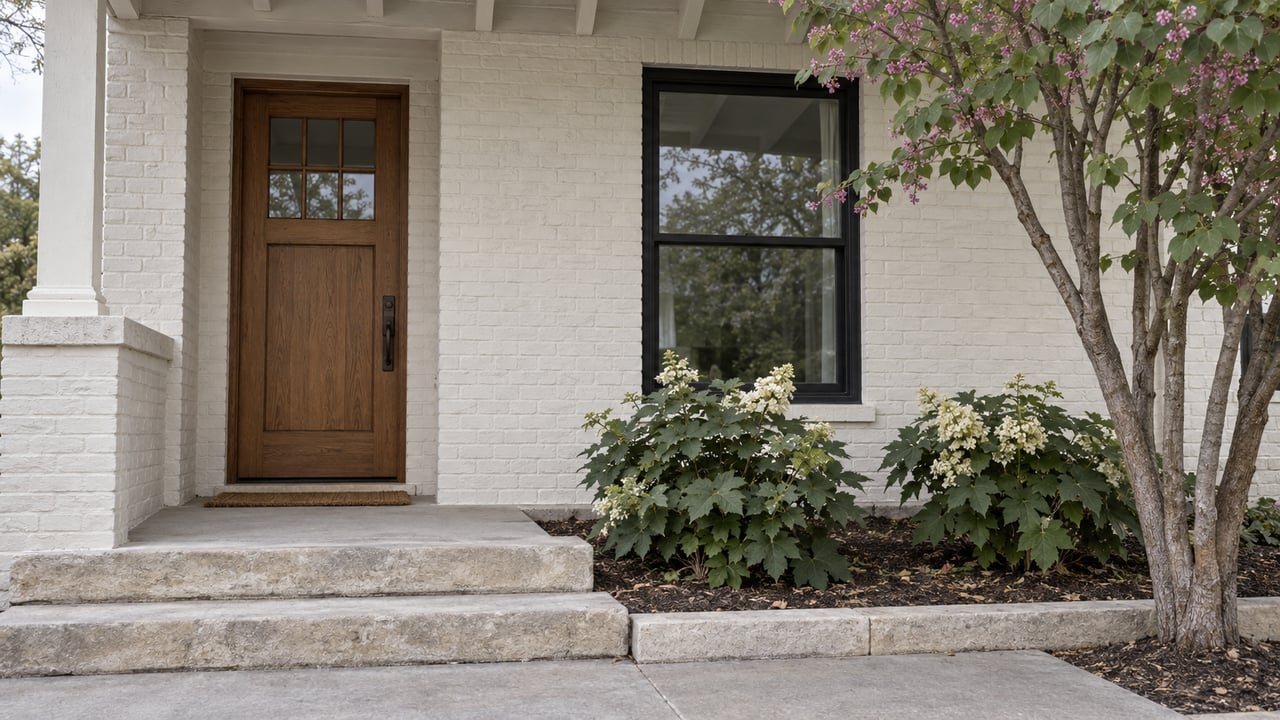
- Boost curb appeal with trimmed landscaping, fresh mulch, and a clean entry.
When DIY may be enough:
- Your home is in good shape and needs only cosmetic tweaks.
- You have furnishings that already fit the style and scale of the rooms.
- You have the time to implement a plan and keep the home show-ready.
Limits to keep in mind:
- Achieving a cohesive, high-end look can be difficult without curated inventory.
- Time has value. DIY projects can stretch on and delay your listing.
- It is easy to keep items you love that may not appeal to a broad buyer pool.
Hybrid options that stretch your budget
You do not have to choose all or nothing. Consider these middle paths:
- Consultation plus DIY: Hire a stager for a prioritized plan, then implement it yourself.
- Partial staging: Focus on high-impact rooms like the living room, kitchen, dining, and primary bedroom.
- Short-term rentals: Bring in a few focal pieces for photography and key showings.
- Virtual staging: Enhance photos of vacant rooms to drive online interest while controlling costs.
- Photo-only styling: Stage for the photo day, then remove items. This can work in specific cases but may confuse buyers at showings if the home looks different.
Decision guide: DIY or pro in Green Hills
Use these local cues to choose the right path:
- Price bracket: In upper-tier Green Hills listings, buyers expect a finished, styled look. A professional consultation or full staging is often the smart move.
- Property condition: Vacant homes and spaces with mismatched or oversized furniture benefit most from pro staging.
- Timeline: If you need a quick sale, a higher staging spend can help generate faster offers and reduce carrying costs.
- Comparable listings: If similar homes near you are professionally staged, skipping staging may hurt your competitive edge.
- Marketing plan: If you plan premium photography and video, staging magnifies that investment.
Quick rule of thumb:
- DIY if the home is nearly show-ready, you have time, and your furnishings fit the space.
- Go pro if the home is vacant, higher priced, stylistically inconsistent, or you are on a tight timeline.
- Choose hybrid if the budget is limited but you still want strong photos and a cohesive first impression.
Simple ROI framework you can use
A straightforward way to estimate potential return:
- Direct ROI = (Sale price increase attributable to staging − staging cost) ÷ staging cost.
- Include broader benefits: Fewer days on market mean lower mortgage, tax, and utility costs. Avoiding a price reduction can also protect your net.
Example scenario:
- List price: $900,000. Staging spend: $5,000 for full vacant staging plus $500 for photography.
- If staging helps secure a sale that is $18,000 higher than comparable unstaged results, your direct gain is $12,500 after costs. That is a strong return.
- If staging also reduces days on market by about a month and your carrying costs are roughly $2,000 per month, your net improves further.
Your numbers will vary. Compare with nearby comps, expected days on market, and your actual carrying costs for a more precise picture.
Room-by-room DIY checklist
Entry
- Clear the walkway and add a clean, welcoming mat.
- Replace dim bulbs and ensure fixtures are dust-free.
- Keep surfaces clear and streamlined.
Living room
- Arrange seating to frame a focal point like a fireplace or view.
- Remove extra furniture to open pathways.
- Add a neutral rug and minimal accessories for scale and warmth.
Kitchen
- Clear countertops, leaving only a few attractive items.
- Deep clean appliances, grout, and hardware.
- Add fresh towels and a simple bowl of fruit or flowers.
Primary bedroom
- Use neutral bedding with layered pillows.
- Remove excess furniture and personal items.
- Ensure window treatments allow natural light.
Bathrooms
- Replace shower curtains and add clean, fluffy towels.
- Remove all personal products from view.
- Polish mirrors and fixtures.
Curb appeal
- Mow, edge, trim, and refresh mulch.
- Power wash walkways and clean windows.
- Add simple porch seating if space allows.
Pre-photo sweep
- Hide cords, trash bins, pet items, and countertop clutter.
- Turn on all lights and open blinds.
- Do a final spot clean and lint roll fabrics.
Working with a professional stager
Questions to ask before you hire:
- Do you carry insurance for your crew and rented furniture, and are you licensed for Davidson County deliveries?
- Can you share a portfolio of Nashville and Green Hills projects with references?
- What is your fee structure, contract length, and monthly rental policy?
- Who handles delivery, pickup, and any potential damage claims?
- Do you coordinate with the listing photographer and protect flooring during moves?
Contract and logistics basics:
- Get a written agreement with start and end dates, setup fees, monthly fees, and pickup terms.
- Ask for an itemized inventory list with photos to confirm condition.
- Clarify insurance and who is responsible for any damage during delivery.
- Schedule staging to be complete before photography and video to avoid costly re-shoots.
Suggested timeline to hit the market
- Week 1: Consultation, punch-list, and ordering of any rentals or supplies.
- Weeks 1 to 2: Decluttering, repairs, paint, and deep clean.
- Week 2: Staging install and final styling.
- End of Week 2: Professional photos and video, then launch the listing.
Adjust the cadence to match your pricing strategy and expected demand. In Green Hills, planning ahead for a clean, coordinated rollout helps you capture early momentum.
Common staging mistakes to avoid
- Styling that fights the architecture or neighborhood vibe.
- Overpersonalized decor or color that narrows buyer appeal.
- Ignoring curb appeal while focusing only on interiors.
- Scheduling photography before staging is complete.
- Using virtual staging without clear disclosure in the listing.
Bottom line for Green Hills sellers
In Green Hills, buyer expectations are high and photos do heavy lifting. If your home is already close to show-ready, a consultation and DIY plan can be enough. For vacant or upper-tier homes, or if time is tight, professional staging often delivers a stronger first impression and better offers. The smartest path is the one that balances cost with presentation quality and supports your goals.
If you want hands-on help choosing the right approach and coordinating every step, reach out to Bobbi Jo Barnes Real Estate, LLC. As an Accredited Staging Professional with modern marketing and video, Bobbi Jo can help you present with confidence and move forward with clarity.
FAQs
Do Green Hills buyers expect professional staging?
- Many buyers in higher price tiers expect a polished, move-in-ready presentation. A consultation or full staging often makes sense, especially for vacant or luxury listings.
What is the most cost-effective staging option?
- A professional consultation with DIY implementation is often the best value. You get a prioritized plan without paying for full furniture rental.
Is virtual staging enough for a vacant home?
- Virtual staging helps your photos but does not influence in-person showings. Use it to boost online interest, and consider partial physical staging for the top rooms.
How long should I keep the home staged?
- Keep staging in place while actively marketing. Many contracts are month to month with minimum terms, so coordinate with expected days on market.
Will staging increase my sale price?
- It can. The impact varies by property and execution quality. Staging also supports fewer days on market and fewer price reductions, which protects your net.
When is DIY staging a smart choice?
- DIY works well when your home is already in good condition, your furniture fits the space, and you have time to follow a focused checklist and keep it show-ready.