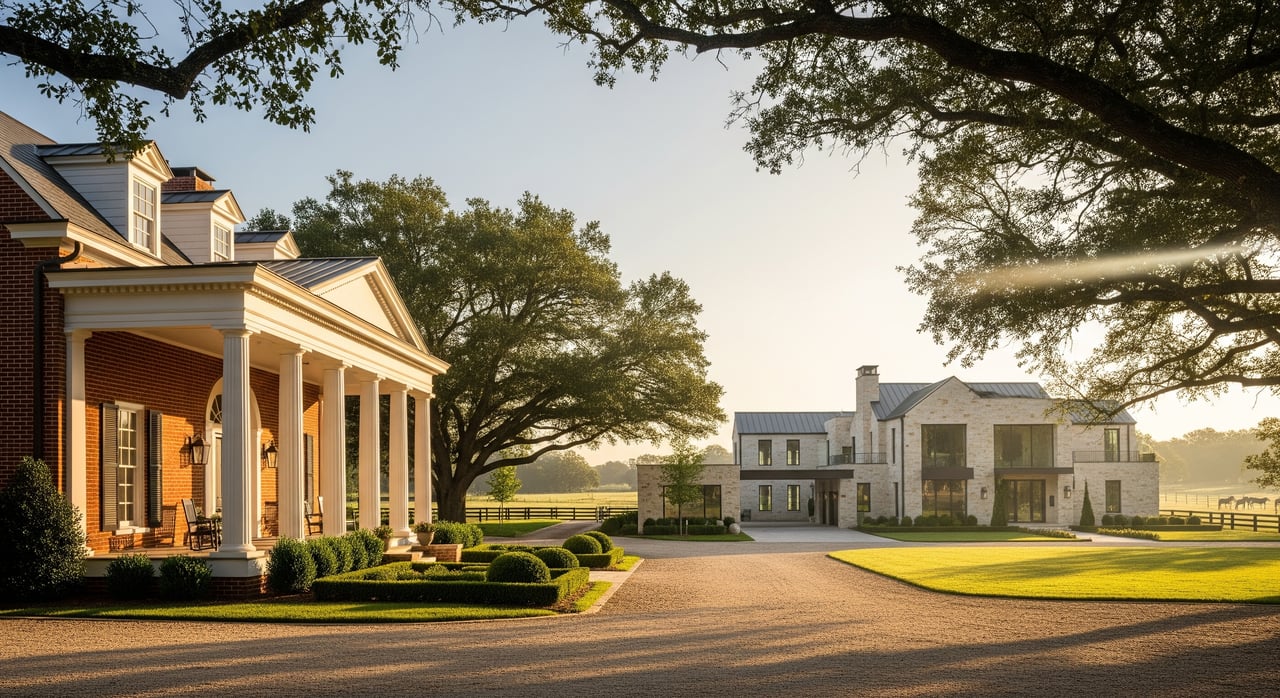
Trying to choose between Franklin and Brentwood can feel like comparing two great options for very different reasons. You want the right fit for your lifestyle, budget, commute, and long-term plans, without second-guessing your decision. In this guide, you’ll see how each market stacks up on housing, schools, location, costs, rules, lifestyle, and resale potential so you can move forward with clarity. Let’s dive in.
Market snapshot
Both Franklin and Brentwood sit in Williamson County and draw buyers who want suburban living close to Nashville. Brentwood is often perceived as the more exclusive, lower-inventory market with larger lots and custom homes. Franklin is larger, more varied, and blends a charming historic downtown with new master-planned communities and attached housing options.
Market conditions change month to month. Before you make a move, ask your agent to pull the latest side-by-side numbers for both cities. Key data points to review:
- Median sale price and price per square foot
- Months of inventory and active listings by price band
- Average days on market and percent of list price received
- New construction share vs. resale
These metrics shift, so confirm current figures from recent MLS or local market reports right before you act.
Housing and neighborhoods
Franklin housing feel
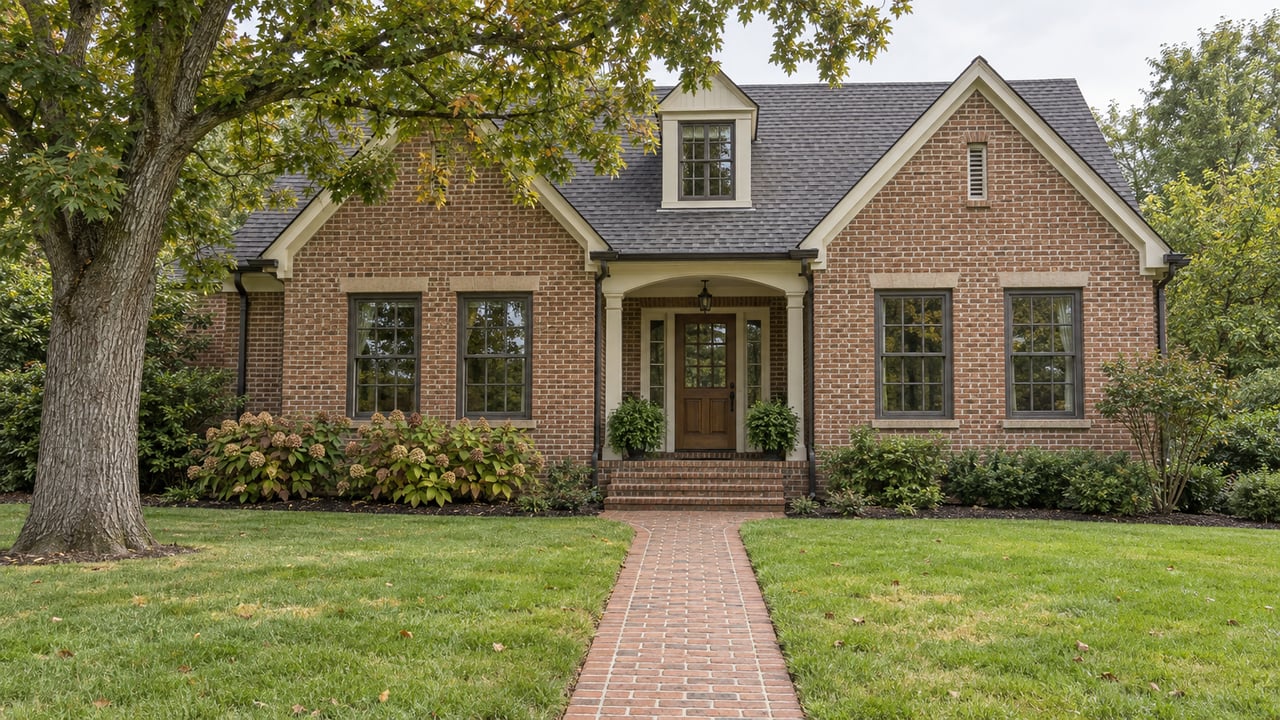
Franklin offers a wide range of homes, from historic properties near downtown to new construction on the edges of the city. Near the square, you’ll find walkable streets, restaurants, live music, and boutique shopping. You’ll also see a mix of townhomes and condos in select corridors, plus established subdivisions with community amenities.
If you prefer a lively center of gravity and the option to walk to dining or events, Franklin’s downtown and nearby neighborhoods deliver that small-city energy. If you want newer builds, there are many planned communities with modern floor plans, neighborhood pools, and green space.
Brentwood housing feel
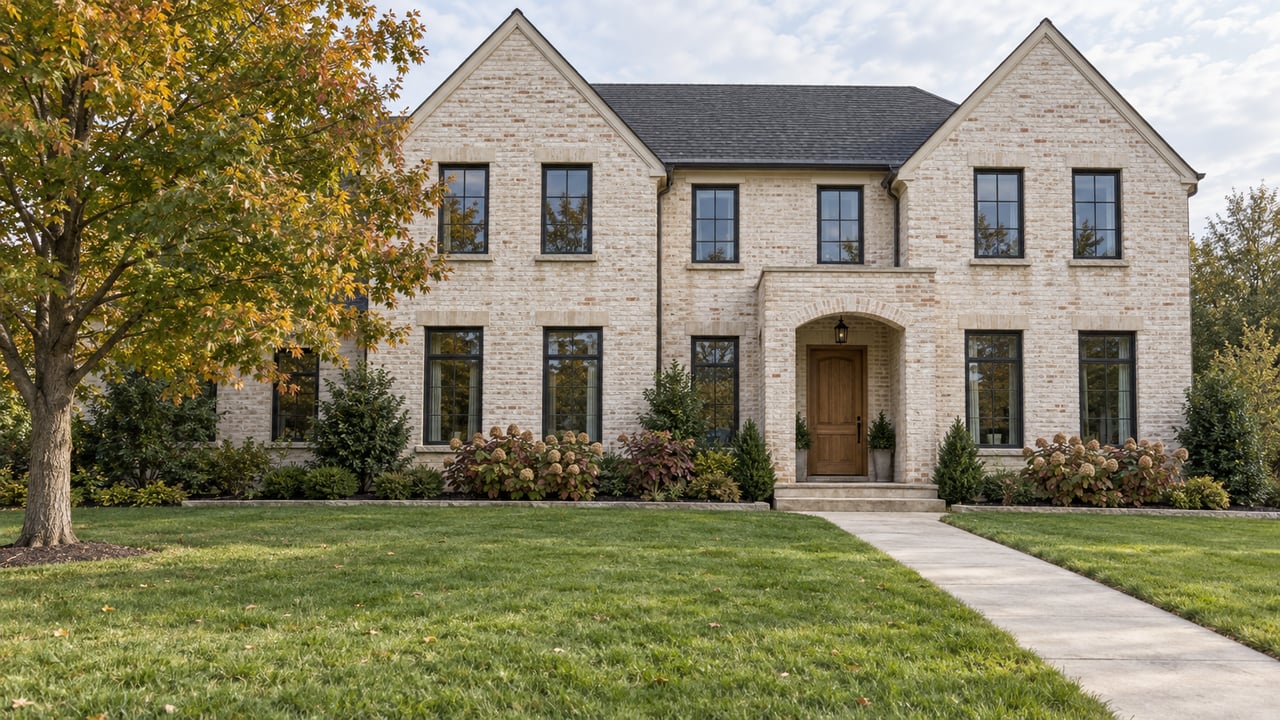
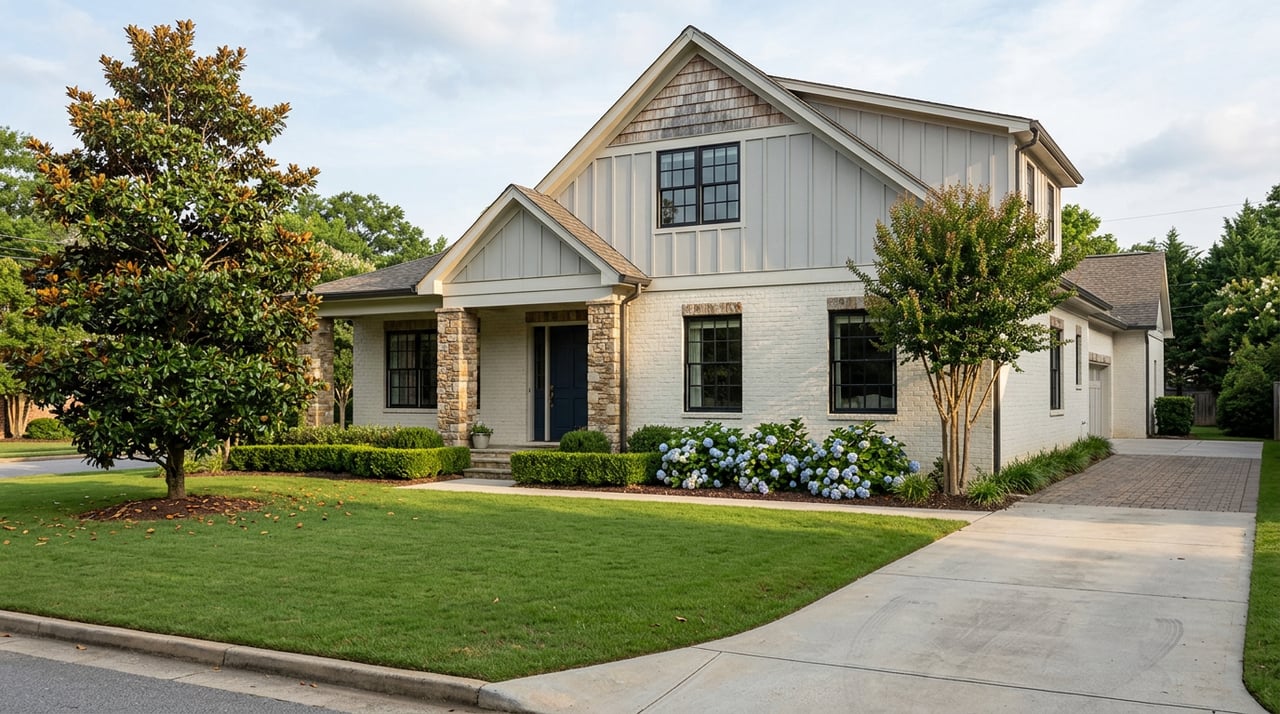
Brentwood leans toward larger lots and predominantly single-family homes. Many neighborhoods are established, with mature trees, privacy, and custom construction. Attached housing is less common, and zoning tends to favor lower density in many areas, which can support long-term price stability.
If you imagine a private yard, more separation between homes, and a quiet residential setting, Brentwood often aligns with those priorities. Communities with club amenities or golf are more common here and may carry higher HOA dues.
Lot sizes and home age
- Franklin: Broader mix of lot sizes and ages, including historic homes with character, smaller in-town lots, and newer properties further out with modern layouts.
- Brentwood: Generally larger residential lots and higher-priced custom homes, with a more uniform single-family profile across many neighborhoods.
If lot size, architectural style, or attached housing options are on your checklist, pay close attention to the mix in your target area within each city.
Schools and boundaries
Both cities are primarily served by Williamson County Schools, which are consistently highly ranked statewide. School-zone boundaries can influence demand and pricing for specific neighborhoods, and boundaries can change. Always verify exact school assignments for a particular address and review current school profiles directly before you write an offer.
If schools are central to your search, take a two-step approach: first, identify neighborhoods within your desired zones, then confirm assignments for any specific property you tour. This helps you avoid surprises as districts adjust boundaries or feeder patterns.
Commute and location
Brentwood sits closer to Nashville along I-65, which often means shorter commutes to downtown and major job centers. Franklin is just south of Brentwood and is a touch farther from downtown, but it has its own employers and a growing local economy. Regional transit is limited, so most residents drive.
Expect peak-hour slowdowns on I-65. Off-peak drive times can be significantly shorter. If commute matters, test your route during rush hour and off-peak times using a navigation app, and try a few different departure windows.
Costs and carrying costs
Brentwood typically carries a price premium over Franklin due to larger lots, custom homes, and lower-density zoning. Exact differences vary by segment and timing. Confirm current numbers side by side before making pricing decisions.
Property taxes are set at the county level, with potential city-level taxes or assessments. Your total bill depends on assessed value and local rates, which can change with revaluation cycles. HOAs are common in newer and amenity-driven communities and vary widely in what they include.
When you evaluate a property, review these items:
- Recent tax bill and current county and city rates
- HOA dues, transfer fees, and what amenities or services are covered
- Insurance needs, including flood risk by parcel
- Utility costs, and any special assessments or district fees
Rules and permits
Franklin has designated historic areas near downtown with a historic zoning overlay. If you buy within the overlay, exterior changes often require review and approvals. This protects the character of the district and can shape renovation timelines and budgets.
Brentwood emphasizes low-density residential zoning in many parts of the city. That approach can limit future housing supply and help preserve neighborhood character. In both cities, major renovations and new construction require permits and inspections. Plan ahead for timelines, and consult the planning and codes departments for design standards that may apply to your address.
Lifestyle and amenities
Franklin is known for its vibrant, walkable downtown with restaurants, music venues, and year-round events. If you enjoy a lively calendar and a strong sense of place, in-town Franklin is a standout.
Brentwood is more suburban in feel, with quiet neighborhoods, parks, greenways, and private club options. Retail centers tend to be car-oriented, and many residents value the privacy and space.
Both cities offer parks, recreation, and municipal services, including local police and fire. Shopping and dining are plentiful in both, with Franklin’s core leaning boutique and Brentwood offering convenient centers along key corridors.
Investment and resale
Brentwood has a long track record of stability supported by larger lots, lower density, and high-end housing. Inventory is often tighter, which can support pricing. Franklin’s demand is fueled by downtown amenities, variety in housing, and growth around new corridors. You may see more opportunities for value-add or redevelopment in certain Franklin areas.
If you are a seller, tailor your strategy to what buyers in each market value:
- Brentwood sellers: Highlight lot size, privacy, and school-zone context. Professional presentation matters, so showcase quality finishes and outdoor living.
- Franklin sellers: Emphasize walkability, downtown access, and nearby amenities. Call out recent neighborhood improvements and new development momentum.
For investors, review rental demand, property management options, and any local rules for short-term rentals. Regulations can vary by neighborhood and overlay, so confirm the latest ordinances before you purchase.
Which market fits you?
Choose Franklin if you prioritize:
- Walkable access to restaurants, music, and events
- A mix of housing types and price points
- Historic character or newer master-planned communities
- Opportunities for value-add or redevelopment in select areas
- A small-city feel with a strong sense of place
Choose Brentwood if you prioritize:
- Larger lots and a more private residential setting
- Predominantly single-family homes with custom construction
- Lower-density zoning and historically tight inventory
- Proximity to downtown Nashville and I-65 job centers
- Access to club amenities and expansive parks
Next steps
Use a simple plan to get from research to results:
- Define your top three priorities. Lot size, walkability, commute, schools, or budget segment. Rank them.
- Pull current numbers for both cities on the same date. Compare median price, days on market, inventory, and price per square foot.
- Map your commute at rush hour and off-peak. Test several departure times.
- Verify school boundaries for any address that makes your shortlist. Review current school profiles.
- Walk the neighborhoods. Visit at different times of day to get a feel for traffic, noise, and activity.
- Review carrying costs. Confirm taxes, HOA dues, insurance needs, and any special assessments.
- Plan for rules. If you are near Franklin’s historic district, or pursuing a major renovation, factor in permits and design reviews.
When you are ready for hands-on help, lean on a local pro who will personally preview homes, coordinate staging, manage showings, and negotiate with your goals front and center. If you want a guided, start-to-finish experience that blends local insight with modern marketing, connect with Bobbi Jo Barnes Real Estate, LLC.
FAQs
How do home prices compare in Franklin vs. Brentwood?
- Brentwood typically commands a premium, but exact differences change by segment and month, so review the latest side-by-side metrics before you decide.
Do Franklin’s historic rules affect renovations?
- Yes, properties in designated historic areas often require approvals for exterior changes; confirm whether a home is in the overlay and plan your permits and timelines.
How do commute times to Nashville compare between the two?
- Brentwood is closer to downtown along I-65 and often has shorter drives, while Franklin is slightly farther south; test your route during peak and off-peak hours.
Are property taxes different between the two cities?
- Both are in Williamson County, and total taxes depend on assessed value plus any city-level rates or assessments; verify the current bill for each property.
Where is new construction more common right now?
- Franklin often shows more variety in new subdivisions and attached housing, while Brentwood’s lower-density pattern favors single-family with fewer attached options.
Are short-term rentals allowed in either city?
- Rules vary by city and neighborhood, and some areas have special restrictions; review current local ordinances and HOA covenants before you buy.