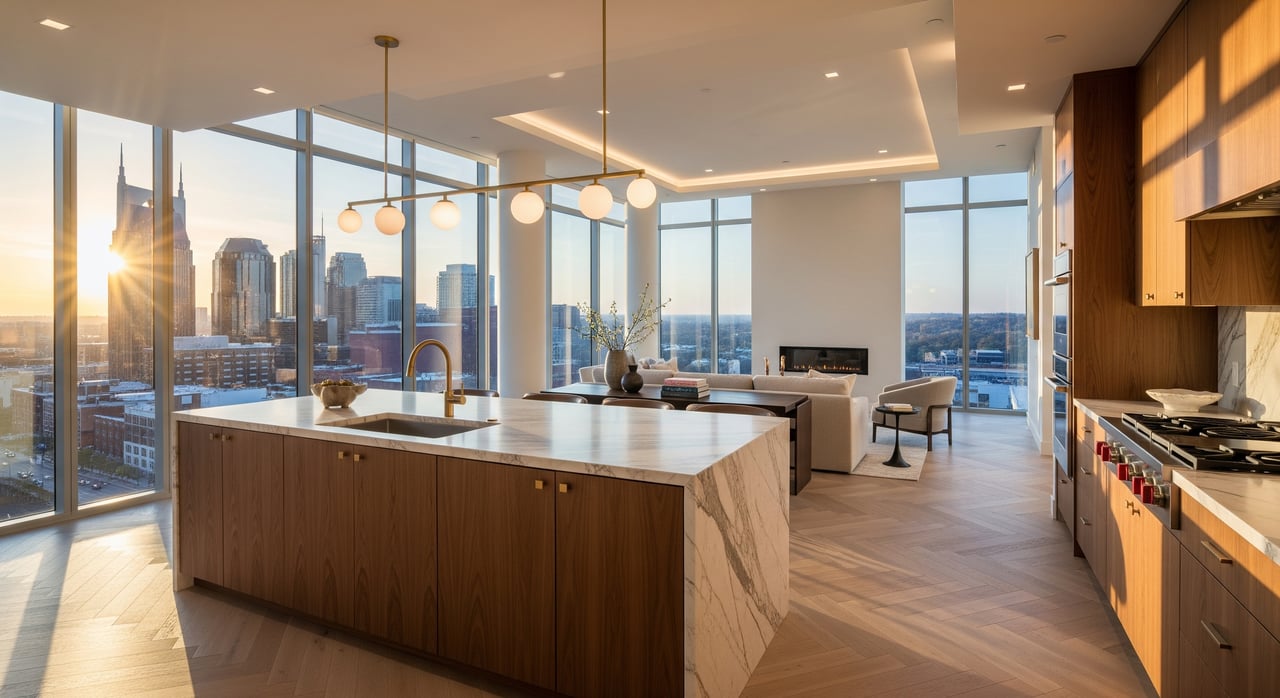
Thinking about listing your condo in The Gulch, or simply wanting to make it stand out in today’s urban market? You know buyers in this neighborhood look for sleek, low-maintenance living with modern comforts and great building amenities. The good news is you can get strong results by focusing on upgrades that photograph well, live well, and respect condo rules. In this guide, you’ll learn which improvements have the most impact in The Gulch, what to check with your HOA, and how to plan the work for a smooth sale. Let’s dive in.
What Gulch buyers value
The Gulch attracts professionals, downsizers, and investors who want a walkable, amenity-rich lifestyle. That means buyers tend to prioritize modern finishes, convenience, and easy upkeep. You’ll get the most mileage from upgrades that improve day-to-day function, elevate photos, and streamline living. Think clean lines, smart tech, sound control, usable balconies, and great storage.
High-impact condo upgrades
Fresh paint and better lighting
- What to do: Apply fresh, neutral paint on walls and trim, replace dated light fixtures, add layered lighting, and update cabinet pulls and switch plates.
- Why it matters: Neutral, contemporary finishes help photos pop and make your home feel move-in ready.
- Condo caveats: Confirm your building’s work hours and noise rules. Paint and fixture swaps typically do not need HOA approval.
Kitchen refresh, not a full gut
- What to do: Reface or paint cabinets if structurally sound, install modern hardware, swap to quartz or other engineered stone counters, add a fresh backsplash, and replace tired appliances.
- Why it matters: Kitchens sell condos, and midrange, modern finishes resonate with Gulch buyers.
- ROI tip: Targeted refreshes often outperform full custom remodels in condos. Use local comps to guide finish choices.
- Condo caveats: Any work that touches plumbing, gas, or shared ventilation can require permits and HOA coordination.
Bathroom updates that shine
- What to do: Replace vanity counters, modernize faucets and lighting, reglaze or refresh tub and shower surrounds, upgrade showerheads, and regrout or recaulk.
- Why it matters: Bathrooms are closely scrutinized, and small changes can look like a full makeover.
- Condo caveats: Plumbing work usually requires permits and scheduled water shut-offs with building management.
Flooring for durability and flow
- What to do: Replace worn carpet or tile with engineered hardwood, quality luxury vinyl plank, or neutral porcelain tile, and keep the flooring consistent between living spaces when possible.
- Why it matters: Durable, low-maintenance floors show well and suit urban living, including pets.
- Condo caveats: Many HOAs require specific sound ratings or underlayment. Verify rules before installation.
Smart home and efficiency
- What to do: Install a smart thermostat, smart lock or video doorbell, LED lighting, and energy-efficient appliances if you are replacing old ones.
- Why it matters: Convenience, energy savings, and perceived security are high-value features for urban buyers.
- Extra value: Utility incentives may be available. Check the ENERGY STAR rebate finder and consider EPA WaterSense fixtures for water savings.
- Condo caveats: Smart locks may need to integrate with building access systems. Some buildings centralize HVAC controls.
Sound control that sells
- What to do: Add door seals, area rugs with quality pads, and acoustic underlayment when replacing floors. Consider tasteful acoustic panels in work or media areas.
- Why it matters: Noise is a common concern in dense buildings. Quiet is a strong differentiator.
- Condo caveats: Structural acoustic changes are often impractical. Focus on non-invasive solutions that meet HOA rules.
Balcony usability, not structural changes
- What to do: Use weather-resistant decking tiles, scaled furniture, privacy screens that do not attach permanently, and lightweight planters.
- Why it matters: A livable balcony expands perceived living space and lifestyle appeal.
- Condo caveats: Exterior changes often require HOA approval. Many buildings prohibit open-flame grills. Get permission in writing.
Storage and closet systems
- What to do: Add customizable closet organizers, entry shoe and coat solutions, and built-in shelving that preserves open floor space.
- Why it matters: Smart storage is a must in urban condos and appeals to nearly every buyer.
- Condo caveats: Minimal, as long as changes are interior and non-structural.
Laundry and utilities
- What to do: Replace older washer and dryer with quieter, efficient models where allowed, and optimize laundry closet storage.
- Why it matters: In-unit laundry is a decision-maker for many buyers. Modern, quiet machines add real value.
- Condo caveats: Venting, hookups, or shared systems can limit options. Coordinate with building maintenance.
Universal design touches
- What to do: Install lever-style door handles, consider a low-threshold walk-in shower when updating baths, and choose comfort-height toilets.
- Why it matters: These thoughtful details broaden your buyer pool, including downsizers.
- Condo caveats: Shower changes require permits and coordination with building management.
HOA rules, permits, and building coordination
Your HOA is the most important gatekeeper for condo projects. Expect controls on flooring specifications, work hours, contractor insurance, and anything that touches plumbing, electrical, windows, balconies, or building systems. Plumbing, electrical, gas, and structural work generally require permits through Metro Nashville and Davidson County. Review local guidance through the Metro Nashville Codes & Building Safety office and confirm contractor licensing and insurance before work begins. Keep written approvals, permits, and warranties for disclosures and buyer confidence.
Plan, budget, and time it right
Start with a strategy that fits the Gulch buyer profile and your timeline. Focus on fast, photo-friendly wins first, then address aging surfaces or systems that can hurt showings.
- Prioritize: fresh paint, updated lighting, hardware, faucets, closet systems, and smart features.
- Use market guides: Reference midrange project ROI insights from the Remodeling Magazine Cost vs. Value report and buyer preference trends from NAR research.
- Budget smart: Allow for HOA-related costs, building supervisor fees, permits, and potential temporary housing or staging.
- Timeline: HOA approvals can add 2 to 6 weeks. Schedule noisy work during approved hours and outside peak showing windows if possible.
- Vet contractors: Get three bids, confirm condo experience, check references, and insist on a written scope, schedule, payment milestones, and warranty.
Quick checklist
- Verify HOA rules for flooring, balcony use, exterior-facing elements, and contractor requirements.
- Confirm how building systems (HVAC, vents, plumbing risers) affect your plans.
- Favor midrange, durable materials like quartz and quality LVP or engineered hardwood.
- Add simple smart upgrades and LEDs, and look for incentives via ENERGY STAR.
- Choose WaterSense-labeled fixtures for efficient baths and kitchens via EPA WaterSense.
- Address acoustics with compliant underlayment, rugs, and seals.
- Document permits, approvals, warranties, and before-and-after photos for the MLS and buyer packet.
Market your improvements effectively
When your upgrades are complete, presentation matters. Professional photography and thoughtful staging can make compact condo layouts feel open and livable. Highlight lifestyle features in your listing copy, such as smart home tech, balcony usability, modernized kitchens and baths, and noise mitigation. Keep your documentation handy so buyers and appraisers see the value clearly.
If you want a hands-on partner who coordinates staging, manages showings, and brings modern marketing like video tours and broad media exposure to your listing, you will benefit from personal, start-to-finish representation.
Ready to plan your condo refresh or prep for market in The Gulch? Connect with Bobbi Jo Barnes Real Estate, LLC for tailored guidance and a step-by-step plan that fits your timeline and goals.
FAQs
Will upgrades raise my Gulch condo’s resale price?
- Thoughtful midrange updates to kitchens, baths, flooring, storage, smart tech, and sound control often improve marketability and help support stronger pricing, but returns depend on scope, finishes, and current comps.
What condo work usually needs HOA approval?
- Anything that affects plumbing, electrical, gas, windows, balconies, exterior appearance, or flooring sound specs typically requires written approval, while cosmetic paint or hardware updates usually do not.
Are full remodels worth it in The Gulch?
- In many condos, targeted refreshes deliver better cost-to-value than luxury, full-scale remodels unless your unit needs major modernization to match local comparables.
Which upgrades appeal most to investors and renters?
- Durable surfaces like quartz and quality LVP, modern appliances, in-unit laundry, smart locks, and practical sound mitigation are broadly appealing with low maintenance.
How do I avoid permit issues at closing?
- Use licensed contractors, pull permits for plumbing, electrical, gas, or structural work, secure HOA approvals in writing, and keep all records for disclosures and buyer review.
How long should I plan for HOA approvals and scheduling?
- Many boards and building managers need 2 to 6 weeks for review and scheduling, and noisy work must be done during approved hours, so build that into your timeline.