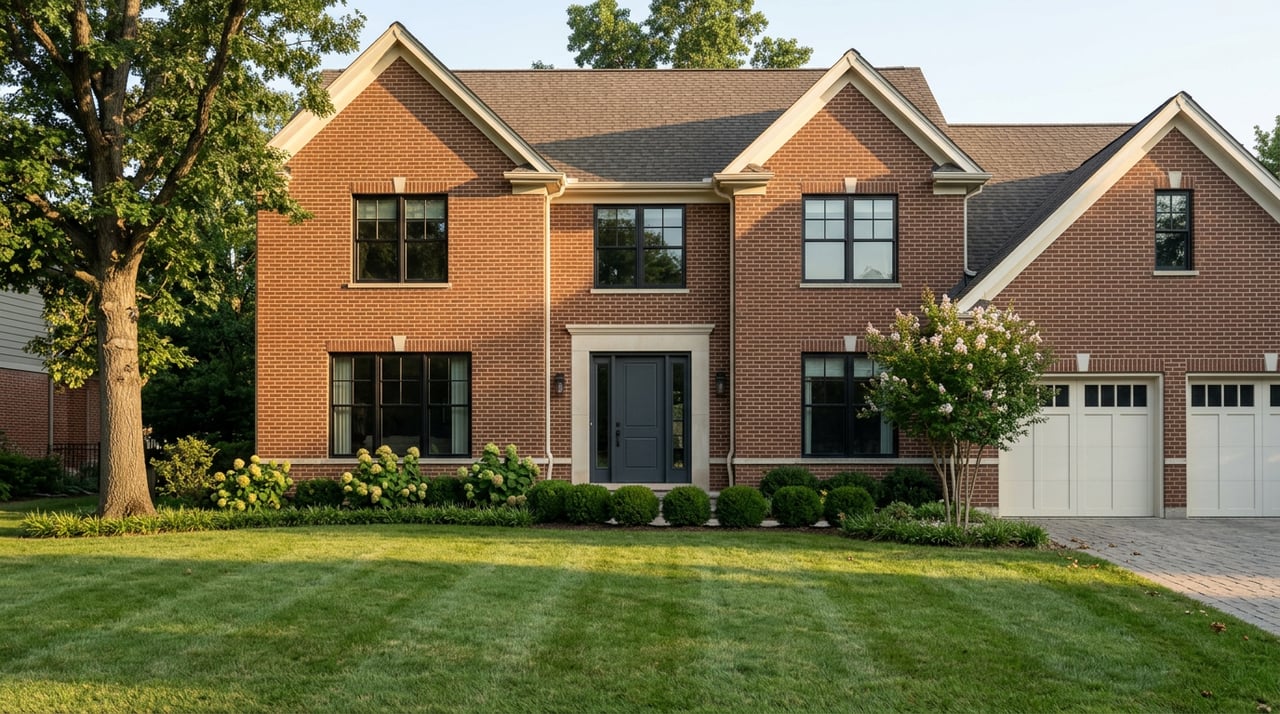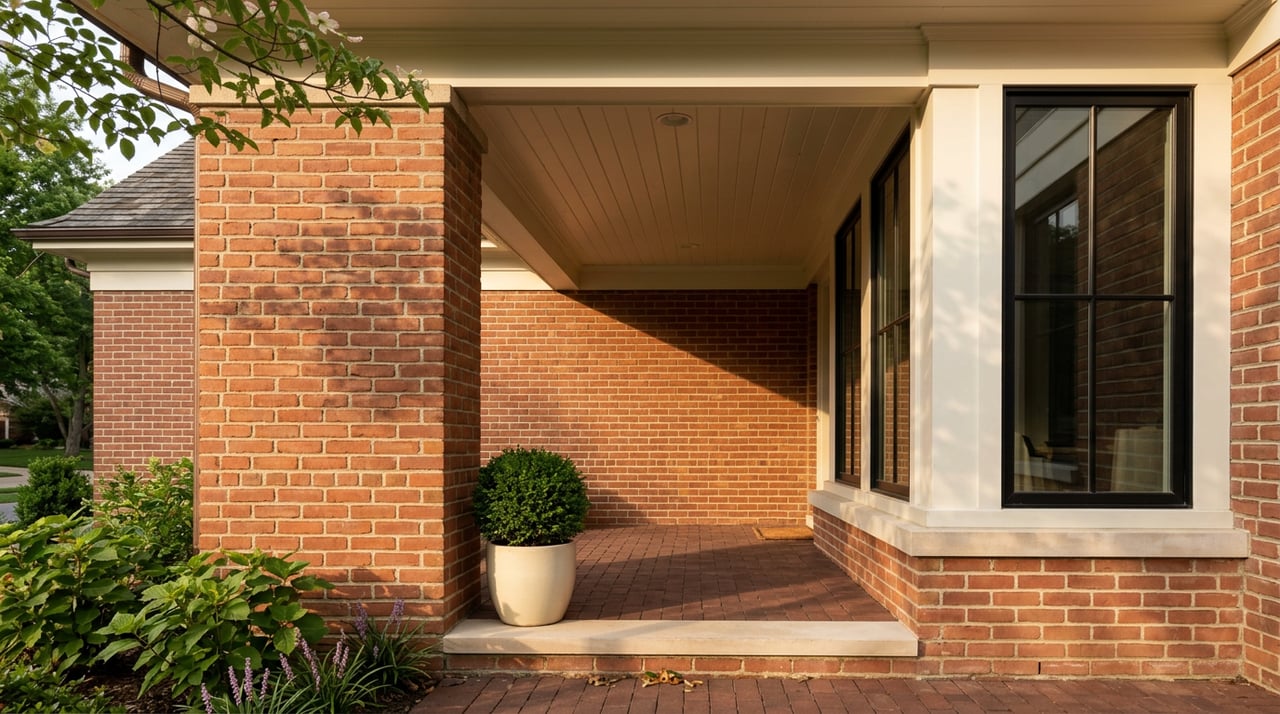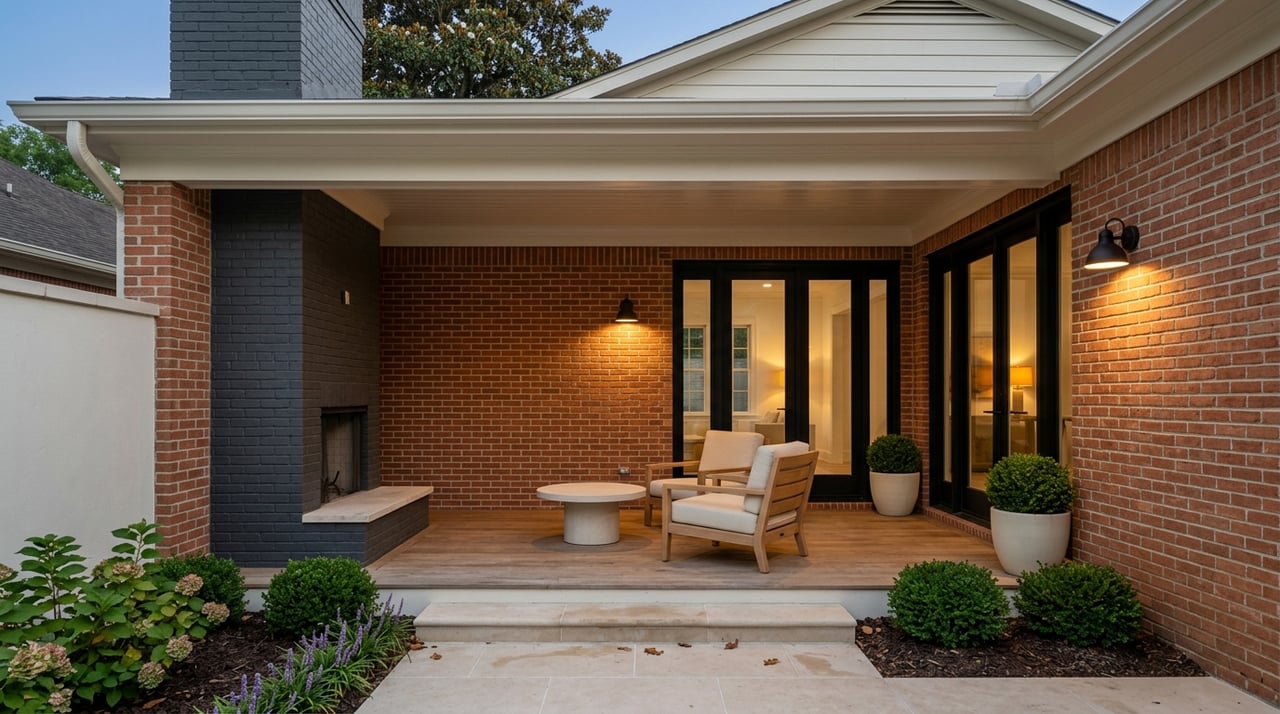
If your current home still works but no longer fits the way you live, you are not alone. In Thompson’s Station, many homeowners reach a point where they want more space, a different layout, a larger lot, or even less maintenance without leaving the town they already love. The good news is that with the right plan, you can make a smart move that supports both your lifestyle and your budget. Let’s dive in.
Why move up in Thompson’s Station
Thompson’s Station has been growing quickly, and that growth shapes how you plan your next move. The Census Bureau estimates the population at 9,469 in July 2025, which is up 27.2% from the 2020 base. In a town with a strong owner-occupied housing rate of 81.3% and a median owner-occupied home value of $700,500, move-up decisions tend to be both personal and financial.
That matters because a move-up home is not always just “more house.” Sometimes it means a home with better function for your daily routine, a layout that fits changing needs, or a setting that gives you a different balance of privacy, convenience, and upkeep. In Thompson’s Station, that choice often comes down to how you want to live within a town that intentionally blends town and country character.
Define what “move-up” means for you
Before you look at homes, get specific about what you are trying to improve. A bigger house may sound like the goal, but the better question is what your current home is missing. That answer will guide everything from neighborhood choice to monthly budget.
For many buyers in Thompson’s Station, move-up goals often include:
- More interior space
- A larger lot or more privacy
- Access to neighborhood amenities
- A lower-maintenance layout
- Better flow for work, guests, or hobbies
- A commute that feels more manageable
When you define your priorities clearly, you can avoid paying for square footage or features that do not actually improve your day-to-day life.
Compare home styles carefully
One of the advantages of moving up within Thompson’s Station is that your next step does not have to look just one way. Local planning documents reflect a mix of urban and rural character, which gives you room to choose between more compact, amenity-focused neighborhoods and larger-lot settings with a more private feel.
That range is especially helpful if your idea of moving up is changing. For one buyer, it may mean trading a starter home for a larger single-family property. For another, it may mean choosing a lower-maintenance home with quality finishes and easier upkeep.
A local planning document for Roderick Place shows how broad that range can be, describing options from luxury condominiums and townhomes to cottages and large estate lots. That is a useful reminder that in Thompson’s Station, moving up can mean either gaining space or simplifying your lifestyle while staying in a market you know well.
Look beyond the house itself
In a fast-growing town, neighborhood details matter just as much as the home. Thompson’s Station’s All Aboard planning framework is designed to guide growth, build resiliency, and preserve historic and environmental features. The town’s long-term vision can affect how an area feels today and how it may function in the years ahead.
As you compare neighborhoods, think about what surrounds the home and how that supports your routine. A beautiful house can lose some appeal if the services, traffic patterns, or future development around it do not fit your goals.
Check utility and service patterns
Subdivision services can vary, so it helps to confirm what is provided before you make an offer. The town provides wastewater service in Allenwood, Avenue Downs, Bridgemore Village, Fields of Canterbury, Littlebury, Tollgate Village, and Whistle Stop. Water is served by H.B. & T.S. Utility District, electricity by MTEMC, and trash pickup is not provided by the town.
That means you should ask whether trash service is handled through an HOA or through county options. You should also understand whether sewer billing applies in a town-served subdivision, since the town notes that sewer bills are based on water-usage information from H.B. & T.S. Utility District.
Consider parks and greenway access
Lifestyle value often comes from what you can enjoy close to home. Thompson’s Station says its greenway system is intended to connect major subdivisions and schools to more than 300 acres of park land and Town Center. If outdoor access matters to you, this can be a meaningful part of your move-up decision.
Preservation Park offers about 200 acres with hiking trails, a hilltop overlook, playing fields, a large pavilion, and restrooms. Sarah Benson Park adds jogging paths, workout equipment, the Alexander Trail, fields, a playground, a dog sensory garden, and restrooms with water fountains. If your next home is meant to improve everyday quality of life, nearby recreation may deserve a place on your checklist.
Pay attention to growth and traffic
A move-up purchase is not just about current conditions. It is also about what the area may feel like over time. Thompson’s Station’s Growth Plan Update says the Urban Growth Boundary will help determine where the town grows through 2040, with an emphasis on balanced, managed growth.
For you, that means future neighborhood conditions may matter as much as the house itself. A home that feels tucked away today may have a different traffic pattern, road connection, or nearby development path in the future.
Think through your commute
Commute and drive patterns deserve a close look, especially if your current move is partly about improving daily convenience. The town’s 2020-2024 ACS profile shows a mean commute time of 30.5 minutes. Local transportation planning also points to meaningful variation in traffic levels across town.
According to the Major Thoroughfare Plan, traffic volumes range from just over 1,000 cars per day on Thompson’s Station Road west of I-840 to more than 20,000 on Columbia Pike north of Thompson’s Station Road. The same plan projects added congestion on Columbia Pike, parts of Thompson’s Station Road, Lewisburg Pike, and I-65 if major improvements are not made.
If you are choosing between neighborhoods, try to test the drive during times that match your real routine. A home can check every box on paper and still feel less practical if peak-hour traffic affects school drop-offs, work travel, or weekend errands.
Build a move-up budget that works
A successful move-up plan starts with a realistic financial picture. In a higher-value market, it is easy to focus on purchase price alone, but that can leave out important costs that affect your monthly comfort.
Start by mapping three numbers together:
- Your likely sale proceeds from your current home
- Your available cash for upfront costs
- Your projected monthly payment on the next home
Looking at all three together helps you avoid a common mistake. A lower monthly payment may come from paying more upfront, so you want to compare the full picture rather than one number in isolation.
Get preapproved early
Preapproval gives you a clearer price range and can help you move faster when the right home appears. The CFPB recommends comparing at least three lenders for preapproval. It also notes that a preapproval is not a guaranteed loan offer and typically expires in 30 to 60 days.
That timing matters if you are planning to sell and buy in close sequence. If your timeline stretches, you may need to refresh paperwork or update your approval before you are ready to write an offer.
Plan for closing costs
Your move-up budget should include more than the down payment. The CFPB says closing costs often run 2% to 5% of the purchase price, and buyers receive a Closing Disclosure at least three business days before closing.
That makes it easier to prepare, but only if you plan ahead. If you are using sale proceeds from your current home, timing and cash flow become especially important.
Review local details before you offer
Once you narrow your choices, shift from broad planning to property-specific checks. This is where many move-up buyers protect themselves from surprises and make a more confident decision.
A strong Thompson’s Station offer-stage checklist includes:
- Confirming school zone information through Williamson County Schools
- Verifying whether the home is in a town-served sewer subdivision
- Asking how trash service is handled
- Reviewing park and greenway access nearby
- Checking whether nearby road projects or peak-hour congestion may affect your routine
- Asking whether the neighborhood is established or still being built out
That last point matters because the town’s Current Developments page notes that preliminary and final plats are reviewed by the Planning Commission. In practical terms, some neighborhoods may feel fully established, while others may still be changing.
Understand school zone changes
If school zoning is part of your planning, be careful about assumptions. Williamson County Schools says the school board establishes zones, and those zones can change when buildings reach capacity or when new schools open. The district also states that families must reside in Williamson County to attend district schools.
For a move-up buyer, the key is simple: verify zone information close to the time you make your decision. Even if a neighborhood has a long-standing pattern, zoning is something to confirm rather than assume.
Create a step-by-step move-up plan
A clear plan can make the process feel much more manageable. Whether you are trying to coordinate a sale and purchase or simply narrow your options, breaking the move into steps helps reduce stress.
Here is a practical way to start:
- List the problems your current home no longer solves.
- Decide which matters more: more space, more privacy, more amenities, or less maintenance.
- Review neighborhoods based on utility service, traffic, greenway access, and development stage.
- Estimate sale proceeds and compare lenders for preapproval.
- Build a purchase budget that includes upfront costs and monthly payment.
- Tour homes with your daily routine in mind, not just square footage.
- Verify local details before making an offer.
When you approach the move this way, you give yourself a better chance of finding a home that truly feels like the right next chapter.
If you are planning a move within Thompson’s Station, having a hands-on guide can make the process smoother from first strategy to closing day. Bobbi Jo Barnes Real Estate, LLC offers personal, start-to-finish support to help you weigh your options, time your move, and choose a home that fits the life you are building.
FAQs
What does moving up in Thompson’s Station usually mean?
- In Thompson’s Station, moving up can mean more space, a larger lot, different amenities, or a lower-maintenance home, depending on what best fits your current lifestyle.
What should I compare between Thompson’s Station neighborhoods?
- You should compare home style, utility and sewer service, trash arrangements, traffic patterns, park and greenway access, and whether the neighborhood is fully established or still under development.
How important is traffic when buying in Thompson’s Station?
- Traffic can be a major factor because local planning documents show large differences in daily traffic volumes and project added congestion on several key roads if improvements are not made.
What utility questions should I ask about a Thompson’s Station home?
- Ask whether the property is in a subdivision served by town wastewater, how trash service is handled, and what utility providers serve the home.
Can school zones change in Williamson County?
- Yes. Williamson County Schools says the school board sets school zones, and those zones can change when schools reach capacity or when new schools open.
How early should I get preapproved for a move-up home?
- It is smart to get preapproved early so you understand your budget, but remember that preapprovals typically expire in 30 to 60 days and are not guaranteed loan offers.
What closing costs should I budget for when buying my next home?
- Buyers often pay closing costs of about 2% to 5% of the purchase price, so it is important to include those costs in your move-up budget from the start.