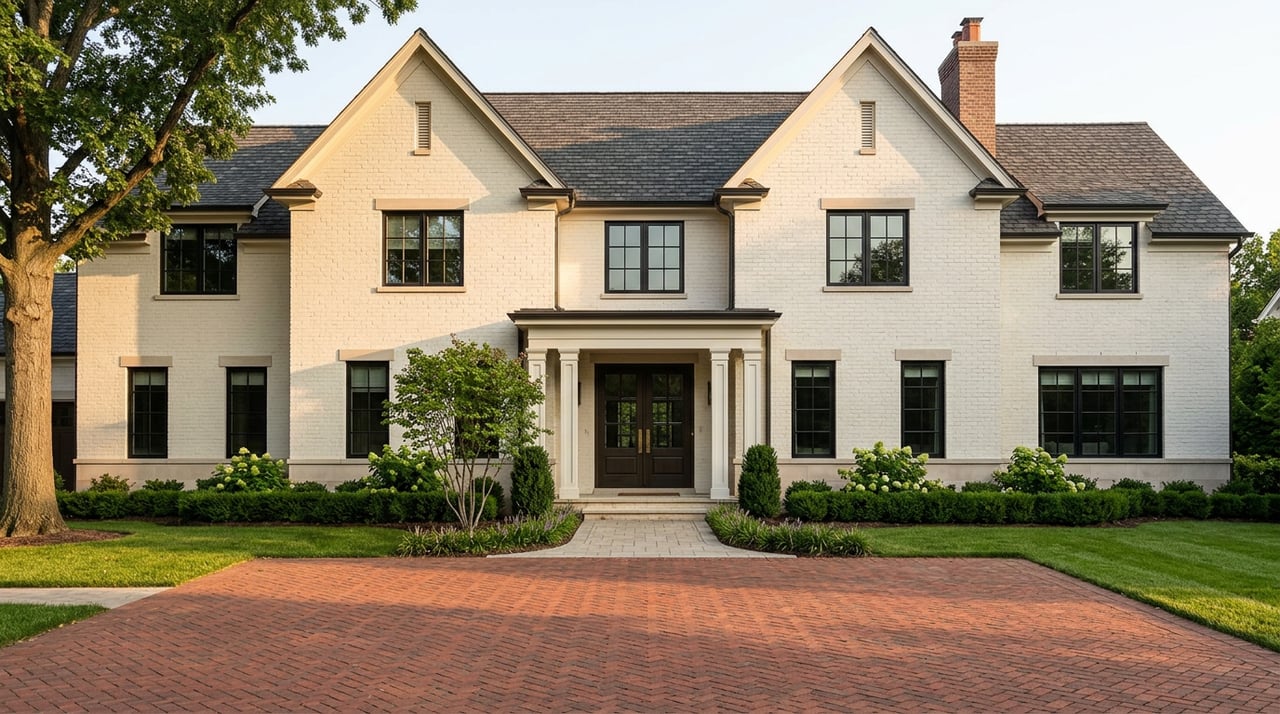
Thinking about moving up to more space or right-sizing to something easier to manage, but you want to stay in Franklin? You are not alone. Many local homeowners are weighing the same decision as the market shifts and inventory changes by neighborhood. In this guide, you will get clear market context, practical timing options, and a Franklin-specific checklist to plan your move with confidence. Let’s dive in.
Franklin market now
Franklin remains a high-priced, lower-inventory pocket of the Nashville metro, and price tiers still vary by neighborhood. Historic areas near downtown often command a premium for walkability and character, while master-planned communities like Westhaven offer newer homes and amenities that appeal to many move-up and downsizing buyers.
Recent data for the region shows growing inventory and longer timelines compared with the 2020–24 peak. Greater Nashville REALTORS reports that inventory has climbed and buyers are gaining leverage, which affects pricing, contingencies, and your timing strategy.
For price context, industry reporting in February 2026 put Franklin’s median sale price near the low-to-mid $800,000s. At the same time, 30-year fixed mortgage rates hovered in the low-6% range in early March 2026, improving purchasing power versus 2024–25. Together, these trends point to a more balanced market where preparation and neighborhood-level data matter.
Clarify your goal
Moving up within Franklin
If you want more space, yard, or amenities, focus on neighborhoods with the product type you need. Master-planned areas such as Westhaven offer larger single-family homes, townhomes, and sections with amenities and potential maintenance options that fit busy lifestyles. New-construction phases may include builder incentives and warranties, but be mindful of HOA fees in your budget.
Consider timing for your target price bracket and the presence of competing buyers. In tighter segments, having non-contingent financing or a clear plan to bridge between homes can help you win the right property.
Downsizing without leaving town
Right-sizing often means single-level living, a lock-and-leave townhome, or an age-restricted section. Some Westhaven product includes 55+ options that reduce exterior maintenance. If you prefer character and proximity to Main Street, smaller historic homes and townhomes near downtown can be a good fit. Align your search with your budget, HOA or condo fees, storage needs, and desired walkability.
School zoning and demand
School zoning can influence buyer demand for specific neighborhoods. Parts of Franklin fall within the Franklin Special School District for K–8 and then feed into Williamson County high schools. Always verify boundaries during your listing or purchase process using official resources such as the FSSD district site.
Pick your timing strategy
Your approach will shape stress levels, costs, and negotiating power. Here are the common paths.
Sell first
- Pros: You unlock equity, avoid carrying two mortgages, and negotiate your next purchase with cash in hand or a stronger financing position.
- Cons: You may need temporary housing or a post-closing rent-back to bridge the gap.
Best fit when there is a healthy supply of homes you like and you want to minimize financial overlap.
Buy first
- Pros: You can make stronger, non-contingent offers and avoid multiple moves if timelines align.
- Cons: You may carry two mortgages or use short-term financing like a bridge loan or HELOC. Some trade-in programs can help you buy before you sell, but they come with added fees and requirements. Learn how these programs work in concept from this overview of buy-before-you-sell options.
Best fit when your target home type is scarce or when you have strong equity, reserves, and lender approval.
Contingent offer
- Pros: Lets you write on a new home without fully closing your current one.
- Cons: In strong seller segments, contingencies are often less competitive. In a more balanced market, a tight, well-structured contingency with clear timelines can work. Regional inventory trends help determine how viable this is in your price bracket.
Use rent-back carefully
A seller rent-back, also called post-closing occupancy, can bridge your move if your buyer agrees. Key terms to negotiate include duration, daily or weekly fee, security deposit, utilities, maintenance, insurance responsibilities, and lender or title approval. Clear, written terms reduce risk and help both sides close smoothly.
Financing to bridge the gap
- HELOC or home-equity loan: Tap existing equity for a down payment. Rates and underwriting vary by lender.
- Bridge loan: Short-term financing to span closings; usually costlier and underwritten tightly, suited for strong equity and reserves.
- Sale-advance or trade-in programs: Third parties can advance funds or purchase your home so you can buy first; review fees and contracts carefully. For a high-level primer, see the buy-before-you-sell overview.
Franklin move timeline
8–12+ weeks out
- Choose your strategy: sell first, buy first, or write contingent.
- Get a market valuation and lender pre-approval.
- Begin decluttering and line up priority repairs.
4–8 weeks before listing
- Request a comparative market analysis and, if desired, a pre-listing inspection.
- Coordinate staging and professional photography.
- Schedule showings and open-house windows; get multiple contractor bids for any updates.
Listing to accepted offer
- Align expectations with neighborhood days on market and showing feedback.
- The region is seeing longer timelines than the pandemic peak, so build in cushion for inspections and appraisals. Refer to regional inventory updates as you plan.
Under contract to close (seller)
- Finalize move dates and any post-closing occupancy terms.
- Confirm mortgage payoff amounts and coordinate with title.
- Book movers and storage early, and set utility transfers.
Budget the move
- Seller costs: Total selling costs often extend beyond commissions to include closing fees, repairs, staging, moving, and tax prorations. National guidance shows these add up to a meaningful percentage of the sale price. Review a detailed net sheet early. For a helpful overview of typical seller costs, see this national summary.
- Buyer closing costs: These typically run about 2% to 6% of the purchase price or loan amount, depending on the loan and local fees. A quick primer is available in this buyer cost guide.
- Property taxes: Tennessee typically assesses residential property at 25% of appraised value. The City of Franklin has published a municipal rate of $0.296 per $100 of assessed value in recent materials. Always verify the current year’s rate and any special districts. Learn how assessment percentages work from the Tennessee Department of Revenue.
- Capital gains: Primary-residence sales may qualify for exclusions under federal rules. Discuss your situation with a CPA before making assumptions about taxable gain.
- Insurance, title, and lender requirements: For rent-backs or early possession, confirm approvals and coverage in writing before closing.
Short-term housing options
If you sell first or need flexibility, consider these options:
- Stay with family or friends.
- Short-term furnished rentals or corporate housing.
- Extended-stay hotels.
- A standard rental lease.
- A seller rent-back with clear terms. If you plan to list your own property as a short-term rental for income during the move, review the City of Franklin’s rules and permitting. The city requires registration and inspections for short-term vacation rentals, as outlined in the local STVR regulations.
Where hands-on help matters
Coordinating a same-city sell and buy is a high-stakes puzzle. A hands-on agent can:
- Prepare a precise seller net sheet and run neighborhood-level comps.
- Structure the right timing plan for sell-first, buy-first, or contingent.
- Negotiate rent-back terms and manage vendors, staging, and photography.
- Synchronize your lenders, title company, and closing attorney on both sides.
Ready to plan your move up or right-size within Franklin with less stress and more certainty? Connect with Bobbi Jo Barnes Real Estate, LLC for hands-on guidance from the first walkthrough to the final key swap.
FAQs
Is now a good time to list and buy again in Franklin?
- The region shows higher inventory and longer timelines than the 2020–24 peak, so timing can favor well-prepared buyers; use a fresh CMA and the last 60–90 days of neighborhood activity to decide.
Will a home-sale contingency work in today’s Franklin market?
- In balanced segments, a tight contingency with clear deadlines can be acceptable, but competitiveness varies by price bracket and inventory; regional data shows buyers have more leverage than during the peak.
What is a safe seller rent-back in Franklin?
- Keep it short and fully documented with agreed daily fee, deposit, insurance, utilities, and lender/title approval to protect both sides and reduce closing risk.
How do I avoid being house-poor if I move up?
- Get lender approval early, model your post-close payment with taxes, insurance, and HOA fees, and keep reserves for several months of expenses before committing.
How long should I plan for temporary housing?
- Plan for a buffer because regional trends show longer transaction timelines than recent years; your price point and neighborhood will set the realistic window.
How are Franklin property taxes estimated on a new purchase?
- Tennessee typically assesses residential property at 25% of appraised value, then multiplies by the current local tax rate; verify Franklin’s latest rate and any special district add-ons before budgeting.