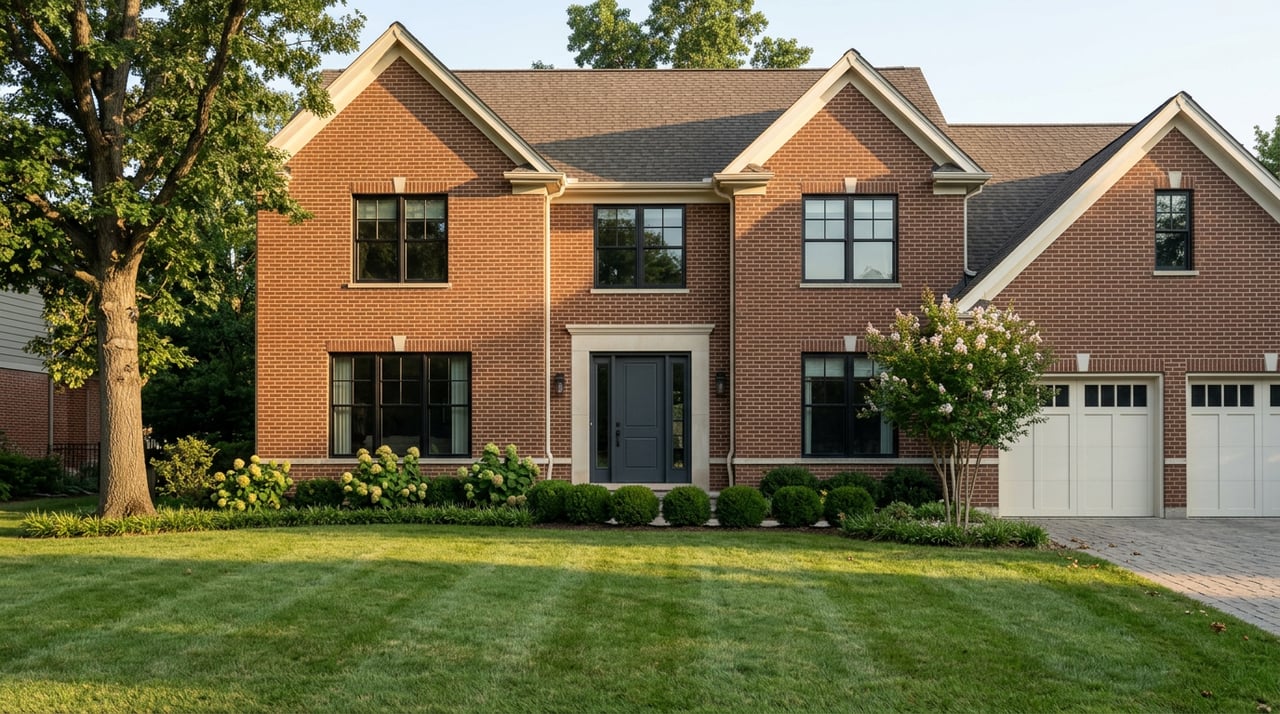
Are you weighing a seller-funded rate buydown against a price cut on a Thompson’s Station home? You are not alone. With interest rates shaping buyer decisions, choosing the right concession can make or break a deal. In this guide, you will see how each option works, when to use it, and how to compare the numbers so you can move forward with confidence. Let’s dive in.
Key takeaways
- A price cut lowers the sales price and the buyer’s loan amount.
- A seller-funded buydown lowers the buyer’s interest rate temporarily or permanently without changing the sales price.
- The better option depends on local market conditions, appraisal risk, and lender rules about qualification and concessions.
What a rate buydown means
A seller-funded buydown uses seller funds at closing to reduce the buyer’s interest rate.
Temporary buydown basics
A common structure is a 2-1 buydown. In year one, the rate is 2 percentage points lower than the note rate. In year two, it is 1 point lower. After that, it resets to the note rate. Lenders may still require the buyer to qualify at the note rate, not the lower temporary rate. Always confirm the qualifying rate with the lender.
Permanent buydown with points
Paying mortgage points reduces the interest rate for the life of the loan. One point usually equals 1 percent of the loan amount. As a rough rule of thumb, one point might lower the rate by about 0.25 to 0.50 percent, but this varies. You must verify current pricing with the lender because it changes with the market.
What a price cut does
A price cut reduces the contract sales price. That lowers the buyer’s loan amount and often the monthly payment. It may also make the appraisal more straightforward because the new price is lower against comparable sales. Unlike a buydown, a price cut permanently reduces the seller’s gross proceeds and the recorded sales price.
Why local conditions in Thompson’s Station matter
Thompson’s Station sits in Williamson County, an area known for strong demand and higher price points compared with many nearby markets. Inventory and days on market shift by neighborhood and property type. School districts and commuter access often influence buyer interest. When inventory is tight and listings move quickly, sellers may keep the price firm and offer a buydown to help with payment shock. If a property is sitting longer than the neighborhood norm or is priced above recent comps, a price cut can widen the buyer pool and align with appraisal.
How funds and rules actually work
- Price cut: the seller accepts a lower contract price. The buyer’s loan and down payment calculate off that price. The seller nets less.
- Seller-funded buydown or points: the seller credits funds at closing to the lender or escrow to buy down the rate. The sales price stays the same unless there is a separate price concession.
- Seller concession limits: loan programs limit how much a seller can contribute. Limits vary by conventional, FHA, VA, or USDA loans, and lenders can add their own rules. Confirm the exact limit with the buyer’s lender before you negotiate.
- Qualification and underwriting: many lenders qualify at the note rate or a set qualifying rate, not the temporary buydown rate. If a buyer only qualifies using the lower temporary payment, a buydown may not solve the issue.
Pros and cons for sellers
Price cut pros
- Simple to market and easy to understand.
- Can reduce appraisal risk because the contract price is lower.
- Can help more buyers qualify by lowering the loan amount.
- Lowers the recorded price, which can influence future assessed values and comps.
Price cut cons
- Immediate and permanent reduction in proceeds and equity.
- Sets a lower comp in MLS, which may affect neighborhood pricing.
Rate buydown pros
- Preserves the contract price and neighborhood comps.
- Helps rate-sensitive buyers with monthly payment, which can drive more showings and offers.
- Advertises a buyer incentive without lowering the headline price.
Rate buydown cons
- Requires cash from the seller at closing.
- May not help buyers qualify if the lender uses the note rate for underwriting.
- Does not lower the buyer’s principal balance. Long-term, a price cut usually helps buyer equity more.
- Constrained by seller concession limits and lender overlays.
Buyer perspective at a glance
- Short-term horizon: if you plan to sell or refinance in a few years, a temporary buydown can ease payments early.
- Long-term hold: if you plan to stay, a price cut usually builds equity faster and reduces lifetime interest more than a temporary buydown.
Appraisal, disclosures, and taxes
- Appraisal: a buydown does not change the sales price used by appraisers. A price cut does.
- Disclosures: seller-funded buydowns and concessions must be shown on the Closing Disclosure.
- Taxes: tax treatment of points varies and depends on who pays them and how they are categorized. Consult a tax advisor for guidance.
A simple way to compare
Use three side-by-side scenarios with actual lender quotes and current MLS comps.
- Scenario 1: Full price, no buydown.
- Scenario 2: Lower price, no buydown.
- Scenario 3: Full price with seller-funded buydown or points.
For each, compare monthly payment, cash to close, and five-year outlook. Include appraisal considerations and seller net proceeds. The right choice will often become clear.
Hypothetical example to illustrate
Assume a 500,000 purchase price with 20 percent down and a 400,000 loan. If one point costs 4,000 and reduces the rate by about 0.25 percent, you would compare the payment savings over time with a similar dollar amount offered as a price cut. Exact effects depend on the note rate, loan term, taxes, insurance, and mortgage insurance. Always use current lender quotes.
Thompson’s Station decision framework
Step 1: Pull local data
Ask your agent for a current CMA with days on market, list to sale ratios, and nearby comps specific to Thompson’s Station. Confirm how your property stacks up.
Step 2: Get lender pricing
Ask for the note rate, cost per point, available temporary buydowns, and the qualifying rate used for underwriting. This is key to knowing what will help the buyer qualify.
Step 3: Run the numbers
- Sellers: compare net proceeds with a price cut versus the cost of funding the buydown. Include closing costs and transfer taxes that change with price.
- Buyers: compare monthly payment and total interest at one, three, and five years under each scenario. Consider the likelihood of refinancing.
Step 4: Nail the contract language
If you choose a buydown, specify how the funds will be handled and shown on the Closing Disclosure. Clarify that the sales price remains the same unless a price concession is also included.
Step 5: Weigh the signal to the market
If inventory is tight, keeping price intact while offering a buydown can maintain perceived value. If the listing is aging or above comps, a price cut can bring new buyers into the pool and reduce appraisal friction.
Two local scenarios
Scenario A: Hot market with multiple offers
Objective: protect price and maximize net. Consider a seller-funded buydown to help rate-sensitive buyers and keep the headline price intact, subject to lender rules.
Scenario B: Slow market or over target days on market
Objective: widen the buyer pool and reduce appraisal anxiety. Consider an upfront price cut, possibly paired with a smaller buydown for payment relief.
Split-the-difference options
- Small price reduction plus a modest buydown.
- One-year or 2-1 temporary buydown to ease the first years only.
- Ask the lender which mix delivers the best payment-to-cost ratio within concession limits.
What to confirm with your lender and agent
- Current qualifying rate and whether the buyer must qualify at the note rate.
- Cost of 1 and 2 points and the savings for each.
- Availability and cost of a 2-1 or 1-year buydown.
- Seller concession limits for the specific loan type and down payment.
- How the buydown will appear on the Closing Disclosure.
- Updated Thompson’s Station comps and days on market for your segment.
Bottom line
There is no one-size-fits-all answer. In Thompson’s Station, the better choice between a seller-funded rate buydown and a price cut depends on current neighborhood conditions, how the buyer must qualify, appraisal risk, and the seller’s net-proceeds goals. The best next step is to pair real MLS data with real lender quotes, then choose the structure that gets you to closing with confidence.
If you want a hands-on partner to run the comparisons, shape the offer, and negotiate the details, reach out to Bobbi Jo Barnes Real Estate, LLC.
FAQs
What is a 2-1 buydown and how does it work?
- A 2-1 buydown reduces the interest rate by 2 percentage points in year one and 1 point in year two, then it resets to the note rate, with funds provided at closing by the seller or another third party.
Does a rate buydown affect the appraisal in Thompson’s Station?
- No, appraisers compare the contract sales price to market comps and condition, so a buydown does not change the value used, while a price reduction does.
Which helps a buyer qualify more easily, a price cut or a buydown?
- A price cut reduces the loan amount and often improves qualification directly, while many lenders still qualify at the note rate even if a temporary buydown is used.
Are seller-funded buydowns limited by concession rules?
- Yes, buydown funds count toward seller-paid concession limits that vary by loan type and loan-to-value, so you should confirm the limit with the lender.
Are mortgage points tax-deductible for buyers in Tennessee?
- Tax treatment depends on whether points are considered acquisition points and who pays them, so buyers should consult a tax advisor for personalized guidance.