Wondering if 12 South is the right Nashville landing spot for your move? You are not alone. For many relocators, the challenge is not just finding a home, but figuring out how daily life will actually feel once the boxes are unpacked. This guide will help you understand what 12 South is, how it functions, what to check before you buy, and how to compare it with nearby options so you can make a smart move with confidence. Let’s dive in.
What 12 South feels like
12 South is a compact, mixed-use neighborhood with a historic residential base and an active commercial corridor. The 12 South Neighborhood Association identifies the area between Wedgewood Avenue and Gale Lane and focuses on issues like beautification, public safety, environmental conservation, historic preservation, appropriate development, zoning, and codes compliance.
That mix matters when you are relocating. You are not moving into a purely residential pocket or a fully urban high-rise district. Instead, you get a neighborhood where historic homes, local destinations, and everyday movement all interact closely.
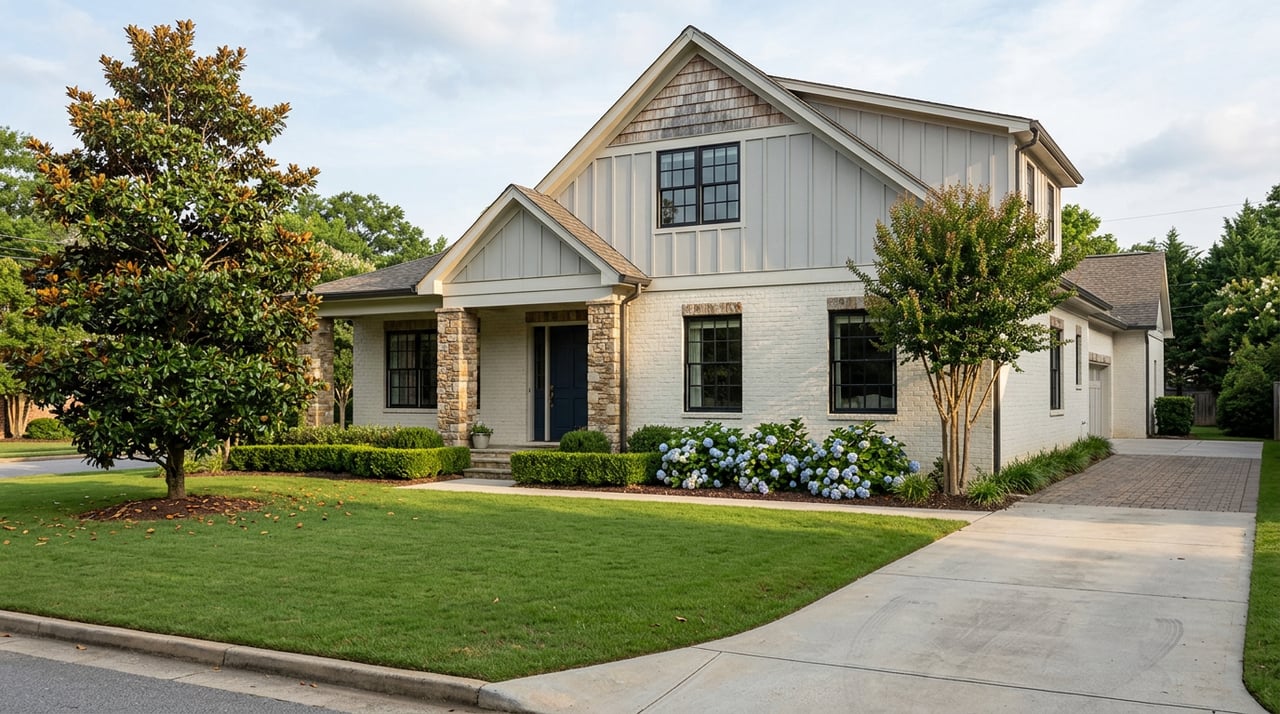
Metro’s historic materials describe the nearby Waverly-Belmont area as a middle-class streetcar suburb. You will see mostly modest bungalows and cottages with front porches, along with other house styles and some multi-family properties that were added over time.
Why relocators consider 12 South
If you want an in-town Nashville lifestyle with a neighborhood feel, 12 South often stands out. The area offers a strong sense of place, but it also comes with practical tradeoffs that matter once you live there day to day.
For many buyers, the appeal is the balance. You can find historic housing texture, public amenities, and an active corridor in one compact area. Public anchors nearby include Sevier Park Community Center and the Edgehill Branch Library on 12th Avenue South.
This is especially useful if you are moving from out of town and want a location that helps you settle into a routine quickly. Places you will actually use matter just as much as curb appeal.
Housing basics to understand first
The big housing question in 12 South is not only what kind of home you can buy. It is also what you can change later.
Metro’s historic-zoning guidance explains that historic overlays are intended to protect neighborhood character through design review. In NCZO districts, review can apply to new construction, additions, demolition, relocation, and setback determinations.
That means a home that looks perfect today may come with limits on future plans. If you think you may want to expand, alter the front exterior, change setbacks, or adjust parking arrangements after closing, you need to know that before you write an offer.
Check overlay status early
Metro recommends using the Parcel Viewer to confirm whether a property is in a historic overlay. This should be part of your early screening process, especially if you are relocating and trying to narrow choices quickly.
A home in an overlay is not automatically a problem. It simply means you should go in with clear expectations about what review may be required for certain exterior changes.
Understand the corridor setting
In the 12th Avenue South corridor, Metro describes the Acklen-to-Ashwood segment as a gateway into 12 South and Belmont University. It notes that more houses face the avenue there and that on-street parking is consistent.
That gives you an important clue about the streetscape. Some blocks may feel more corridor-connected than tucked away, and parking patterns can be part of the everyday experience.
Commute, transit, and crossing reality
If you are relocating, do not judge 12 South by photos alone. The commute story here is really about the corridor itself.
Metro says the South Street-to-Acklen stretch is a major commuting route for drivers, bus riders, and bicyclists. It also identifies Wedgewood Avenue as a major barrier for people trying to cross the street.
That means your day-to-day experience may depend less on the address and more on how often you walk, drive, bike, or cross busy sections of the corridor. A home that seems ideal online can feel very different when you test it during real traffic patterns.
What improvements are planned
The city’s 12th Avenue South project calls for physically protected bike lanes, safer crossings, updated bus stops, and repaving. Metro also notes community priorities like slowing cars, improving pedestrian crossings, and making bus stop access better.
For a buyer, this is useful context. It shows that mobility and safety along the corridor are active public concerns, not small side issues.
Transit options to know
WeGo’s Route 17 on 12th Avenue South connects Hillsboro Transit Center and downtown, with trips scheduled throughout the day into late evening. If transit matters to your routine, this route deserves more than a quick glance on a map.
Ride it once if you can. That is often the fastest way to decide whether the route fits your actual schedule.
Parking is not one-size-fits-all
One of the biggest mistakes relocators make in 12 South is assuming parking works the same on every block. It does not.
NDOT runs a residential parking permit program for streets where space is limited and adjacent to commercial properties. Residents on participating streets can petition for permit parking, and Metro’s 12th South parking engagement shows the city is still working through parking pressure tied to nearby business activity.
The city’s survey also separated homes with driveways, rear or off-street parking, and curb-only parking. That tells you exactly what to investigate during showings.
Parking questions to ask
Before you get serious about a property, check:
- Whether the home has a driveway
- Whether there is alley access
- Whether a garage is included
- Whether parking is curb-only
- How the street feels at the time you would usually arrive home
A listing can look simple on paper, but parking convenience can shape your routine every single day.
How to compare 12 South with nearby areas
Relocating buyers often know they want central Nashville, but not which neighborhood fits best. If you are choosing between 12 South and other in-town options, the differences are practical.
12 South vs. Belmont-Hillsboro
Belmont-Hillsboro is the closest comparison if you want historic character with a more residential feel. Metro says the area was subdivided from Belmont and neighboring Sunnyside land in the late 19th century, streetcar lines arrived in the early 1900s, and the neighborhood became a National Register Historic District in 1980.
In simple terms, Belmont-Hillsboro may suit you better if you want a quieter historic setting with less corridor activity than 12 South.
12 South vs. The Gulch
The Gulch is the clearest contrast. Metro’s Downtown Code envisions South Gulch as a high-rise and mid-rise mixed-use area, and the district is oriented around working, living, shopping, and daily activity in a denser urban format.
If 12 South gives you more house-and-street texture, The Gulch offers a more vertical, lock-and-leave option. Your choice depends on whether you picture yourself in a neighborhood corridor or a denser urban district.
12 South vs. Green Hills/Midtown
Green Hills and Midtown are broader planning areas with more overlays and a wider policy footprint. Metro’s community plan notes nine Urban Design Overlays and two institutional overlays in that larger area.
By comparison, 12 South feels more compact and easier to grasp on a short visit. If you want a focused neighborhood search, that can be an advantage.
12 South vs. Edgehill
Edgehill is another nearby benchmark. Metro describes it as a significant historic urban neighborhood south of downtown that has experienced substantial redevelopment in recent years.
If you are comfortable with a more transitional, redevelopment-heavy setting, Edgehill may belong on your shortlist alongside 12 South.
A smart short-visit plan
If you are relocating from outside Nashville, your first visit needs to do more than check boxes. It should help you test daily life.
Before your trip, use NashView to review neighborhood requests and issues, and use Metro’s Parcel Viewer to confirm whether target homes are in a historic overlay. These tools can help you narrow down blocks and properties before you spend time touring.
What to do on the ground
For a productive short visit, build your tour around these steps:
- Do one daylight drive through the corridor
- Take one walk where crossings are known to be more difficult
- Test parking at the time of day you would normally come home
- Ride Route 17 if transit is important to you
- Stop at Sevier Park Community Center or the Edgehill Branch Library to gauge how the area fits your routine
Metro specifically flags the South Street-to-Acklen stretch and Wedgewood crossings as important mobility trouble spots. If you only do a drive-by, you may miss the details that affect your life most.
Your pre-offer checklist for 12 South
Before writing an offer, slow down and verify the details that matter after closing. This is where many relocators save themselves from future frustration.
Use this quick checklist:
- Confirm whether the property is in a historic overlay
- Ask whether additions or exterior changes could require review
- Verify if the home has an alley, driveway, garage, or curb-only parking
- Test the block in person during likely arrival times
- Notice how easy or difficult it is to cross nearby streets on foot
- Think about whether the corridor activity feels energizing or overwhelming for your routine
A good relocation decision is not just about liking the house. It is about knowing how the block, parking setup, and review rules fit the way you plan to live.
If you are weighing 12 South against other Nashville neighborhoods, hands-on local guidance can make the process much easier. Bobbi Jo Barnes Real Estate, LLC offers personal, start-to-finish support to help you compare areas, tour efficiently, and move forward with clarity.
FAQs
What is 12 South in Nashville like for relocators?
- 12 South is a compact mixed-use neighborhood with a historic residential base, an active commercial corridor, and nearby public amenities like Sevier Park Community Center and the Edgehill Branch Library.
What should buyers check before purchasing a home in 12 South?
- You should confirm whether the home is in a historic overlay, ask what exterior changes may require review, and verify the real parking setup including driveway, alley, garage, or curb-only conditions.
How is parking in 12 South Nashville?
- Parking varies by block rather than following one neighborhood-wide pattern, so you should test on-street availability in person and confirm whether the property has off-street options.
Is 12 South Nashville easy for commuting?
- The corridor is a major commuting route for drivers, bus riders, and bicyclists, but some crossings can be challenging, especially around Wedgewood Avenue and parts of 12th Avenue South.
What transit serves 12 South Nashville?
- WeGo Route 17 on 12th Avenue South connects Hillsboro Transit Center and downtown, with service throughout the day into late evening.
How does 12 South compare with The Gulch or Belmont-Hillsboro?
- 12 South offers more house-and-street character than The Gulch and more corridor activity than Belmont-Hillsboro, which may feel more residential and quieter.